
Hearing the words “metastatic prostate cancer” hits differently than an early diagnosis.
It usually means the cancer has moved beyond the prostate — and for many men, that raises immediate fears about survival, quality of life, and what treatment actually looks like from here.
At this stage, patients aren’t just looking for information.
They’re looking for clarity, experience, and a physician who understands how aggressive prostate cancer behaves — and how to manage it without losing sight of the person behind the diagnosis.
This guide walks through metastatic prostate cancer in clear terms: how it spreads, what symptoms men often miss, and how experienced surgeon like Dr. David Samadi approach treatment decisions in advanced cases.
What “Metastatic” Prostate Cancer Really Means
Prostate cancer becomes metastatic when cancer cells spread outside the prostate gland to other parts of the body. This doesn’t happen overnight. It’s usually the result of cancer cells traveling through the bloodstream or lymphatic system over time.
The most common areas prostate cancer spreads to include:
- Bones (especially the spine, hips, and ribs)
- Lymph nodes
- Liver or lungs (less common, but possible in advanced disease)
Dr. Samadi often explains this to patients in very practical terms: metastatic disease doesn’t mean treatment stops — it means treatment changes.
Symptoms Men Often Overlook
One of the biggest challenges with metastatic prostate cancer is that early symptoms can be subtle or confused with everyday issues.
Some men feel fine until the disease has already spread.
Common symptoms include:
- Persistent bone pain, especially in the lower back, hips, or pelvis
- Unexplained weight loss or fatigue
- Difficulty urinating or changes in urinary flow
- Blood in the urine or semen
- Swelling in the legs (from lymph node involvement)
- New or worsening erectile dysfunction
Dr. Samadi frequently sees men who dismissed these symptoms for months, assuming they were related to aging, arthritis, or stress.
That delay matters.
How Prostate Cancer Spreads
Understanding spread helps patients understand why treatment decisions are so nuanced.
- Local growth within the prostate
- Regional spread to nearby lymph nodes
- Distant metastasis, most often to bone
Bone involvement is particularly common, which is why imaging plays such a critical role. Advanced scans help determine where the cancer is and how aggressive it appears.
Dr. Samadi emphasizes precision at this stage — because overtreatment and undertreatment can both cause harm.
Is Surgery Still an Option?
Many patients assume surgery is no longer useful once cancer spreads.
That isn’t always true.
In select cases, removing the prostate can:
- Reduce overall cancer burden
- Improve response to systemic therapies
- Help control local symptoms like bleeding or obstruction
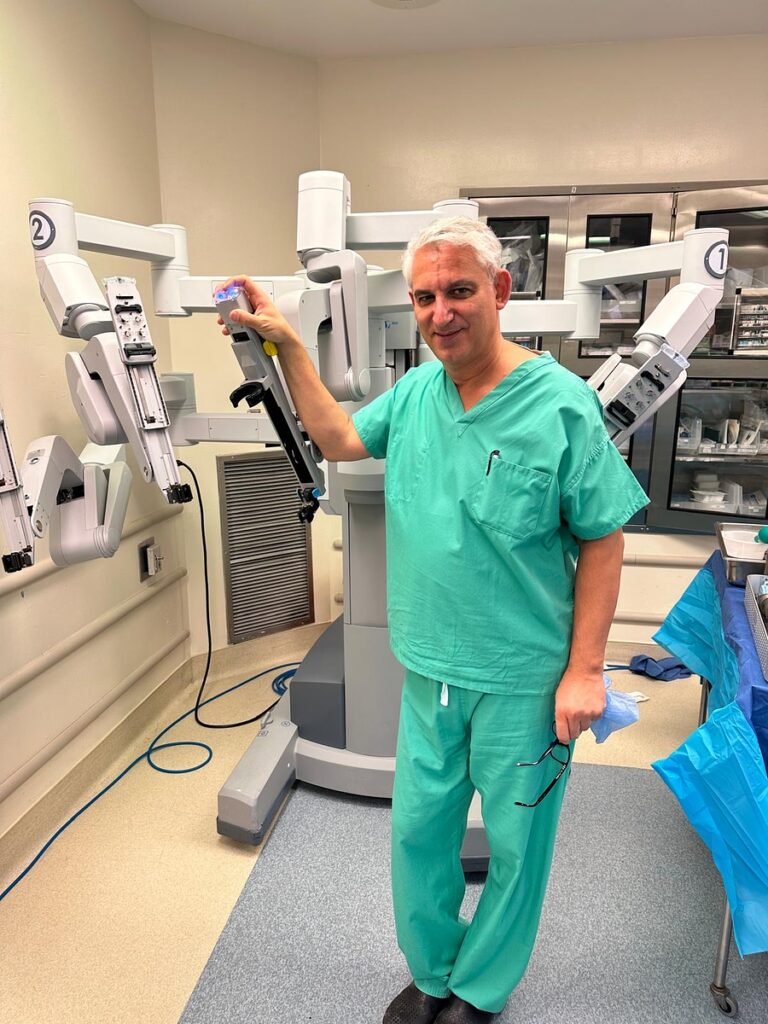
Dr. Samadi is known for carefully selecting patients who may still benefit from surgery, even in advanced disease. His approach isn’t about routine protocols — it’s about individual biology and anatomy.
This level of decision-making comes from decades of experience treating complex prostate cancer cases.
Modern Treatment Options for Metastatic Prostate Cancer
Options for prostate cancer treatment is usually multimodal, meaning several therapies are combined.
Common options include:
- Hormone therapy (ADT) to suppress testosterone
- Advanced androgen receptor inhibitors
- Chemotherapy, when indicated
- Targeted radiation, especially for bone metastases
Surgery, in carefully selected patients
Dr. Samadi’s role often centers on coordinating care so that treatments complement — not compete with — one another.
Quality of Life Still Matters
One of the biggest misconceptions is that metastatic prostate cancer treatment ignores quality of life.
In reality, experienced physicians place even more emphasis on:
- Urinary control
- Sexual function (when possible)
- Pain management
- Mobility and independence
Dr. Samadi’s reputation as a nerve-sparing, technique-driven prostate cancer surgeon comes from prioritizing function alongside cancer control whenever medically appropriate.
That philosophy didn’t appear overnight. Prostate cancer surgery has been established for decades — what separates modern leaders is how refined and patient-focused their approach has become.
Why Experience Matters at This Stage
Metastatic prostate cancer leaves less room for error.
Decisions about timing, sequencing, and intensity of treatment can directly affect:
- Survival
- Side effects
- Long-term function
Dr. Samadi is internationally recognized for managing complex prostate cancer cases and has been featured on Fox News and Newsmax as a Key Opinion Leader in men’s health and prostate cancer surgery.
That visibility reflects clinical volume, outcomes, and trust — not just media presence.
What to Expect at a Consultation
A metastatic prostate cancer consultation is thorough by design.
Patients typically review:
- Imaging results
- Biopsy and pathology reports
- PSA trends
- Prior treatments (if any)
- Personal goals and concerns
Dr. Samadi’s goal is not to rush decisions — it’s to give patients a clear understanding of why a particular strategy makes sense for their case.
Frequently Asked Questions
Is metastatic prostate cancer curable?
It is usually not considered curable, but it is often treatable for many years with modern therapies.
Does metastatic disease always mean chemotherapy?
No. Many patients start with hormone-based therapies and only move to chemotherapy if needed.
Can surgery still help if cancer has spread?
In select patients, yes. This depends on disease burden, overall health, and treatment goals.
How fast does metastatic prostate cancer progress?
Progression varies widely. Some men live many years with well-controlled disease.
Should I get a second opinion?
Absolutely. Complex cases benefit from evaluation by high-volume, experienced specialists.
Contact Dr. David Samadi
If you or a loved one is facing metastatic prostate cancer, experience matters — especially when treatment decisions carry long-term consequences.
Dr. Samadi offers careful evaluation, honest guidance, and a treatment approach shaped by decades of surgical and clinical leadership in prostate cancer care.
Website: https://roboticoncology.com
Address: 485 Madison Avenue, 21st Floor, New York, NY 10022
Phone: 212-365-5000
The goal isn’t just to treat cancer — it’s to help patients move forward with confidence, clarity, and the strongest plan possible.
 212-365-5000