Hearing the words stage 4 prostate cancer stops most people in their tracks. For many men, the diagnosis doesn’t come out of nowhere — something has felt off for a while. Pain that doesn’t go away. Fatigue that’s different than before. PSA levels that kept rising. Still, being told the cancer has spread is overwhelming in a way few things are.
The first instinct is often fear.
The second is confusion.
And right after that comes the question most patients are afraid to ask out loud: What happens now?
This is where clarity matters more than optimism, and experience matters more than buzzwords.
What Stage 4 Prostate Cancer Actually Means?

Stage 4 prostate cancer means the cancer has spread beyond the prostate. That might involve nearby lymph nodes, bones, or — less commonly — organs such as the lungs or liver.
It does not mean there are no treatment options.
And it does not mean care stops.
What it does mean is that the goal shifts. Instead of focusing only on removing a tumor, treatment centers on controlling disease, managing symptoms, preserving function, and maintaining quality of life for as long as possible.
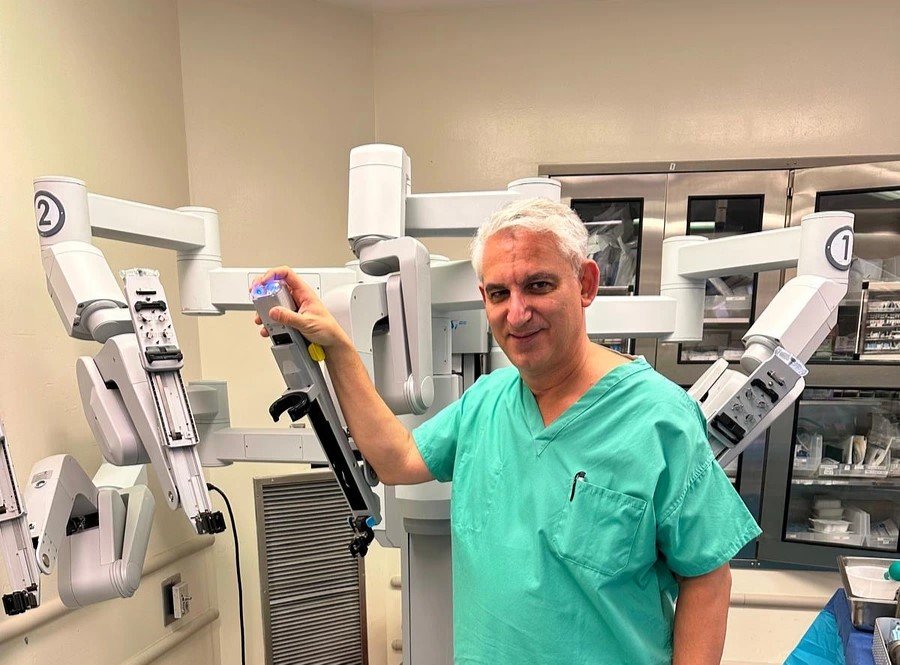
Dr. David Samadi has worked with prostate cancer patients across the entire spectrum for decades — from early detection to advanced disease — and one thing remains consistent: stage alone never tells the full story.
Symptoms Many Men Experience at Stage 4
Symptoms vary widely, and not every man experiences all of them. Some are subtle at first. Others become more obvious over time.
Common symptoms may include:
- Bone pain, especially in the hips, back, or ribs
- Fatigue that doesn’t improve with rest
- Unexplained weight loss
- Difficulty urinating or worsening urinary symptoms
- Weakness or numbness if cancer affects the spine
- Shortness of breath if cancer spreads beyond bone
Dr. Samadi emphasizes that symptom management is not secondary care — it is care. Ignoring symptoms in favor of “just treating the cancer” often leads to unnecessary suffering.
Treatment at This Stage Is About Strategy, Not One-Size-Fits-All
There is no single treatment for stage 4 prostate cancer. Care is almost always multimodal, and decisions are based on cancer biology, prior treatments, overall health, and patient priorities.
Treatment options may include:
- Hormone therapy to suppress testosterone
- Advanced androgen-blocking medications
- Chemotherapy in selected cases
- Targeted radiation for pain or tumor control
- Surgical intervention in carefully selected scenarios
- Supportive care to manage symptoms and side effects
It’s important to understand this:
The foundations of prostate cancer treatment were established decades ago, long before today’s advanced robotic systems and medications. What has changed is how precisely those tools are applied.
Dr. Samadi’s role is not just offering treatments — it’s knowing when and why to use each one.
Where Dr. Samadi’s Experience Makes a Difference?
Dr. David Samadi is internationally recognized for his work in prostate cancer surgery and men’s health. He is frequently featured on major news networks such as Fox News and Newsmax, not because he offers hype — but because he offers clarity.
He is considered a Key Opinion Leader in prostate cancer care, consulted not only by patients but by media and medical peers alike.
What patients often notice during consultation is his ability to explain complex decisions without minimizing reality. There’s no sugarcoating, but there’s also no unnecessary pessimism.
That balance matters at stage 4.

Life Expectancy: The Question Everyone Thinks About
Life expectancy at stage 4 varies widely. Some men live for years with well-controlled disease. Others face more aggressive cancer behavior.
What matters most is:
- How the cancer responds to treatment
- Where it has spread
- Overall health and resilience
- How closely care is monitored and adjusted
Dr. Samadi consistently reminds patients that statistics describe populations — not individuals. His focus remains on maximizing both longevity and quality of life, not one at the expense of the other.
Care Goes Beyond Cancer Control
Advanced prostate cancer affects more than lab results.
It impacts:
- Sexual health
- Urinary function
- Energy levels
- Emotional well-being
- Relationships
Addressing these realities is part of responsible care. Dr. Samadi’s approach has always emphasized functional preservation when possible and honest conversations when tradeoffs exist.
Frequently Asked Questions
Is stage 4 prostate cancer curable?
It is generally not considered curable, but it is often treatable and manageable for extended periods.
Does everyone with stage 4 cancer need chemotherapy?
No. Treatment is individualized, and many men begin with hormone-based therapies or targeted approaches.
Can surgery still play a role?
In select cases, yes — but it depends on cancer spread and overall strategy.
How quickly does stage 4 prostate cancer progress?
Progression varies significantly. Some cancers respond well to treatment for years.
Should I get a second opinion?
Absolutely. Complex diagnoses benefit from experienced review.
Moving Forward After Diagnosis
A stage 4 diagnosis is life-changing — but it is not the end of care, and it is not the end of planning.
The most important next step is working with a physician who understands the disease deeply, respects your priorities, and has guided thousands of men through similar decisions.
Contact Dr. David Samadi
If you or a loved one has been diagnosed with advanced prostate cancer, a consultation with Dr. Samadi can help you understand your options clearly and realistically.
Website: https://roboticoncology.com
Address: 485 Madison Avenue, 21st Floor, New York, NY 10022
Phone: 212-365-5000
 212-365-5000