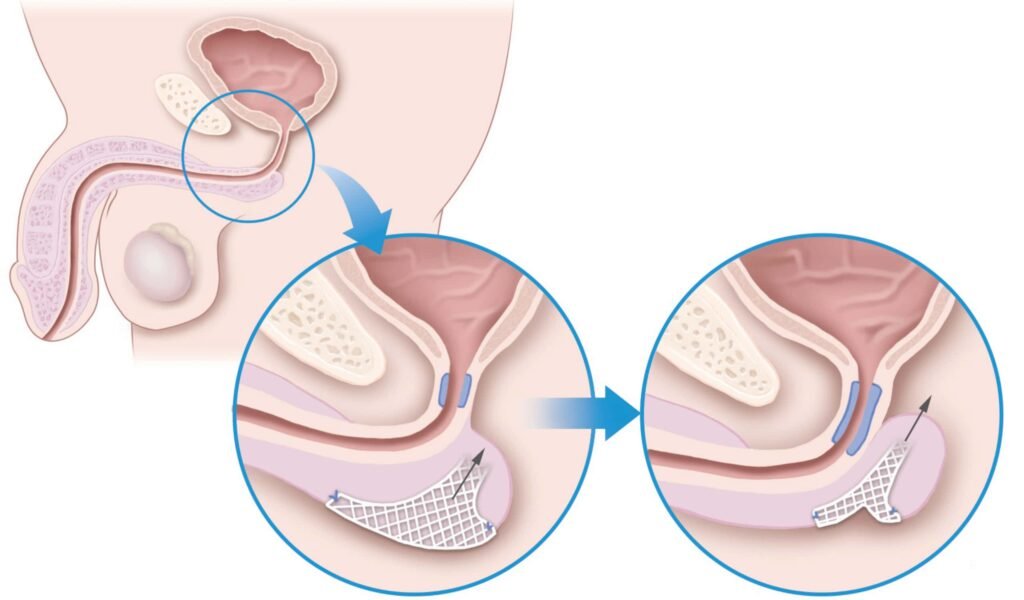
For men facing a prostatectomy, the fear of permanent urinary leakage is often as significant as the cancer diagnosis itself. While traditional surgery can lead to long recovery periods or permanent pad use, Dr. David Samadi has spent over 20 years refining a technique designed to achieve the “Prostate Cancer Trifecta”: complete cancer removal, full sexual potency, and zero incontinence issues.
The success of the SMART Surgery (Samadi Modified Advanced Robotic Technique) lies in its anatomical precision and a unique surgical philosophy that protects the body’s natural “stop-leak” mechanisms.
The Science of Control: Why SMART Surgery is Different
Urinary control depends on the delicate coordination of the urinary sphincter and the supporting pelvic structures. Standard robotic surgeries often disrupt these areas while attempting to reach the prostate. Dr. Samadi’s SMART technique utilizes an “inside-out” approach to protect these zones.
- Preservation of the Urinary Sphincter
The urinary sphincter is the muscle responsible for holding urine. Because this muscle is located within 1–2mm of the prostate, it is easily damaged in traditional surgery. Dr. Samadi utilizes the 10x 3D magnification of the da Vinci robot to perform a meticulous dissection, ensuring the sphincter remains intact and functional.
- Protecting the Endopelvic Fascia
Traditional surgery often involves cutting the endopelvic fascia to gain access to the prostate. Dr. Samadi leaves this protective layer completely intact. This provides the necessary structural support to keep the bladder and urethra in their natural positions, which is critical for post-operative control.
- No Dorsal Vein Suture
Unlike standard robotic procedures, Dr. Samadi does not suture the dorsal vein complex. Suturing this area can tension the surrounding tissues and the urinary sphincter, potentially causing trauma that leads to incontinence. By avoiding this step, the SMART technique minimizes inflammation and mechanical stress on the bladder neck.
Elite Continence Rates: What the Data Shows
High-volume experience is the ultimate predictor of success in robotic surgery. With over 10,000 successful procedures, Dr. Samadi’s outcomes for urinary control are among the highest in the field:
- 97% Continence Rate: The vast majority of Dr. Samadi’s patients report complete urinary control shortly after surgery.
- Rapid Recovery: While traditional surgery benchmarks often cite 6–12 months for recovery, many SMART surgery patients regain control within the first few weeks of their procedure.
- Immediate Success: Due to the “inside-out” method, a significant number of patients are continent immediately upon the removal of the catheter (typically 7 days post-op).
The Recovery Timeline: What to Expect
Recovery is a journey, and Dr. Samadi’s protocol is designed to accelerate every stage:
- Days 1–7: You will have a small catheter to allow the bladder-to-urethra reconnection to heal. Most patients are discharged within 24 hours of surgery.
- Week 1: The catheter is removed in Dr. Samadi’s office. This is when many SMART patients experience their first signs of immediate control.
- Months 1–3: For the small percentage of patients who experience mild leakage, pelvic floor exercises (Kegels) and personalized physical therapy are used to strengthen the support muscles and achieve “zero pad” status.
Frequently Asked Questions
Is zero incontinence really possible?
While no surgical procedure can guarantee 100% results for every individual, the SMART technique is specifically engineered to achieve zero incontinence. Dr. Samadi’s 97% success rate is a testament to the precision of this anatomy-sparing approach.
Does age affect my chance of regaining control?
While younger patients often heal faster, the structural preservation used in SMART surgery allows men of all ages to achieve excellent continence results, provided they follow the post-operative guidelines.
How does Dr. Samadi handle the bladder reconnection?
Dr. Samadi performs a meticulous, watertight reconnection of the bladder to the urethra. This high-precision suturing prevents leaks and minimizes internal scarring, which can otherwise interfere with the function of the urinary sphincter.
Trust Your Quality of Life to a Global Leader
You shouldn’t have to choose between a cancer cure and your daily comfort. Dr. David Samadi offers the expertise and proprietary technology required to protect your future and your dignity.
Contact the Samadi Robotics Center:
- Surgeon: Dr. David Samadi
- Website: roboticoncology.com
- Phone: 212-365-5000
- Manhattan Address: 485 Madison Avenue, 21st Floor, New York, NY 10022
- Long Island Address: 2200 Northern Blvd, Suite 120, East Hills, NY 11548
 212-365-5000