A prostate cancer diagnosis completely alters a man’s world. While the primary mission is eradicating the tumor, patients face severe anxiety over the legacy of the treatment itself. Traditional surgical options frequently carry the looming threat of permanent urinary leaking and long-term erectile dysfunction—side effects that can deeply fracture a man’s confidence and daily quality of life.
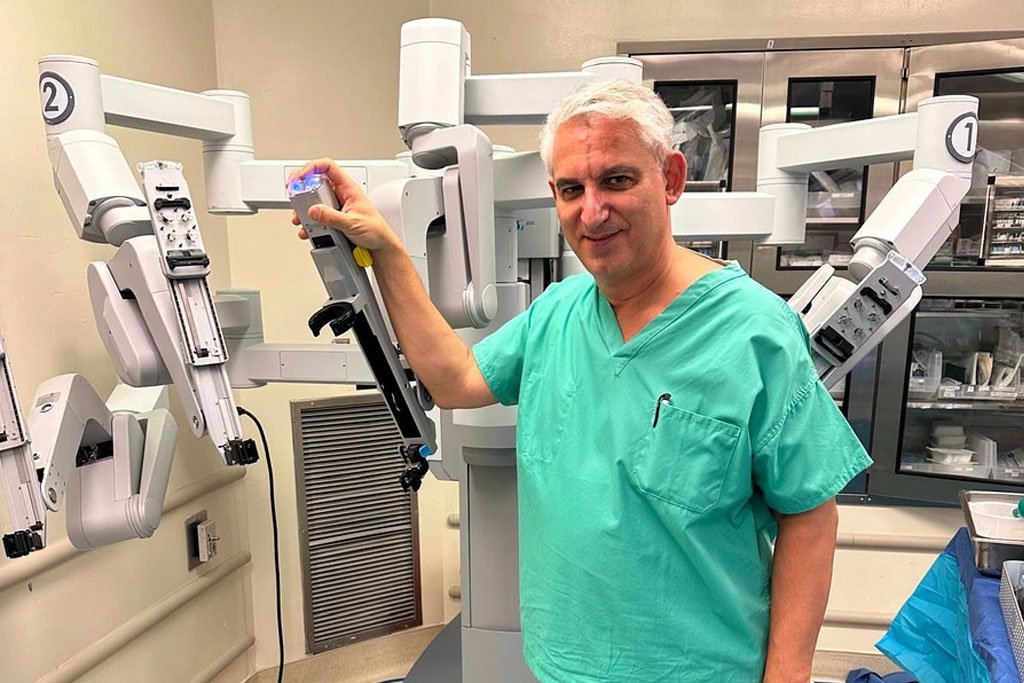
To bridge the gap between complete cancer removal and functional preservation, the field of urologic oncology required a massive structural shift. Celebrating over 15 years of clinical implementation, the SMART (Samadi Modified Advanced Robotic Technique) procedure stands as one of the most significant modern innovations in robotic prostate care. Developed by globally recognized urologic oncologist Dr. David Samadi, this proprietary approach bypasses standard robotic protocols to offer a highly streamlined recovery. Let’s look back at the history of the SMART technique, how it alters standard surgical anatomy, and the unique patient advantages it continues to deliver.
The Genesis of the SMART Technique
When the da Vinci robotic system first gained widespread medical adoption, it fundamentally changed prostatectomies by replacing large open incisions with five to six small keyhole entry points. However, early robotic surgeons still approached the prostate from the “outside in,” utilizing standard open-surgery principles mapped onto a digital interface. This traditional pathway frequently involved cutting through the protective pelvic fascia and suturing major vascular structures, which risked shocking adjacent microscopic nerve tissue.
Recognizing these limitations after intensive fellowship training at the Hôpital Henri-Mondor in France and Memorial Sloan Kettering Cancer Center, Dr. David Samadi developed the SMART protocol. Instead of following generic robotic guidelines, he engineered a custom technique that enters the pelvis from the “inside out.” This shift allows the surgeon to isolate and remove the prostate with minimal disruption to the surrounding architectural support networks.
The Three Structural Pillars of SMART Success
The exceptional longevity and tracking data of the SMART technique rely on three foundational, tissue-sparing modifications executed by Dr. Samadi at the robotic console:
1. Preserving the Endopelvic Fascia
Traditional radical prostatectomies begin by widely incising the endopelvic fascia, the fibrous layer of tissue lining the pelvic wall. The SMART approach strictly avoids opening this structure. Leaving the fascia completely intact maintains the natural structural support of the bladder, helping to prevent post-operative sagging and baseline urinary complications.
2. Zero Suture of the Dorsal Vein Complex (DVC)
To control bleeding during a standard prostatectomy, surgeons typically place large structural sutures straight through the Dorsal Vein Complex (DVC), a major vascular pathway situated directly over the urinary sphincter. This suturing can shorten the functional urethra and compress adjacent nerves. Dr. Samadi utilizes a proprietary clipless and suture-free DVC protocol, securing immediate vascular control without placing destructive tension near the natural urinary valve.
3. Athermal Nerve Sparing
The delicate neurovascular bundles responsible for triggering natural erections run immediately along the outer capsule of the prostate. Most robotic procedures rely on electrocautery (intense electrical heat) to dissect blood vessels. However, electrical currents can easily cause “thermal spread,” permanently shocking or destroying nearby nerve cells. The SMART technique utilizes an athermal (completely heat-free) dissection, carefully peeling the prostate away using cold micro-instruments to optimize natural potency recovery.
Exceptional Patient Success Metrics over 15+ Years
| Clinical Metric | Standard Robotic Outcomes | The SMART Technique Results |
| Long-Term Bladder Control | Variable recovery windows | 97% of patients achieve full continence |
| Natural Potency Retention | Varies significantly by age/volume | 85% of patients remain sexually active |
| Surgical Procedure Duration | Typically 2 to 4 hours | Consistently executed in under 90 minutes |
| Initial Hospital Discharge | Standard 1 to 2 days | 99% of patients discharged within 24 hours |
The True Value of a Single-Surgeon Commitment
In modern healthcare, major surgeries are increasingly managed by rotating medical teams. At large academic training centers, resident physicians or fellows in training often execute significant portions of the procedure.
One of the most defining aspects of the SMART technique is Dr. Samadi’s strict single-surgeon mandate. When you choose this pathway, you receive a direct guarantee: Dr. David Samadi is at the console for 100% of the operation, from the initial incision to the final closure. With a personal lifetime history of over 10,000 completed robotic procedures, he applies his refined anatomical intuition to every fraction of a millimeter, ensuring your care is never delegated to a doctor in training.
A Compressed, Efficient Recovery Horizon
Because the SMART technique minimizes tissue traction and limits blood loss (reducing the blood transfusion rate to near 0%), the physical impact on the body is greatly reduced. The actual operation is highly efficient, typically taking under 90 minutes, which minimizes the patient’s time under general anesthesia and significantly protects cardiovascular and lung function.
Following surgery, the visual impact is limited to six tiny keyhole marks on the abdomen. Patients experience minimal post-operative pain and are encouraged to stand up and walk within hours of waking from anesthesia. Almost all SMART patients are safely discharged to their homes the very next day, and the temporary internal urinary catheter is routinely removed just seven days later, allowing active men to return to baseline independence in record time.
Conclusion + CTA
Fifteen years of peer-reviewed clinical tracking have proven that a prostate cancer diagnosis does not have to mean a permanent pause on your lifestyle, confidence, or masculinity. Through the structural evolution of the SMART technique, men can access a definitive, tissue-sparing cure that eliminates the cancer while actively safeguarding long-term bladder control and sexual health.
CTA: Contact the Samadi Robotics Center today at roboticoncology.com or call 212-365-5000 to schedule a private, confidential consultation with Dr. David Samadi and discover how advanced robotic innovation can transform your recovery.
 212-365-5000