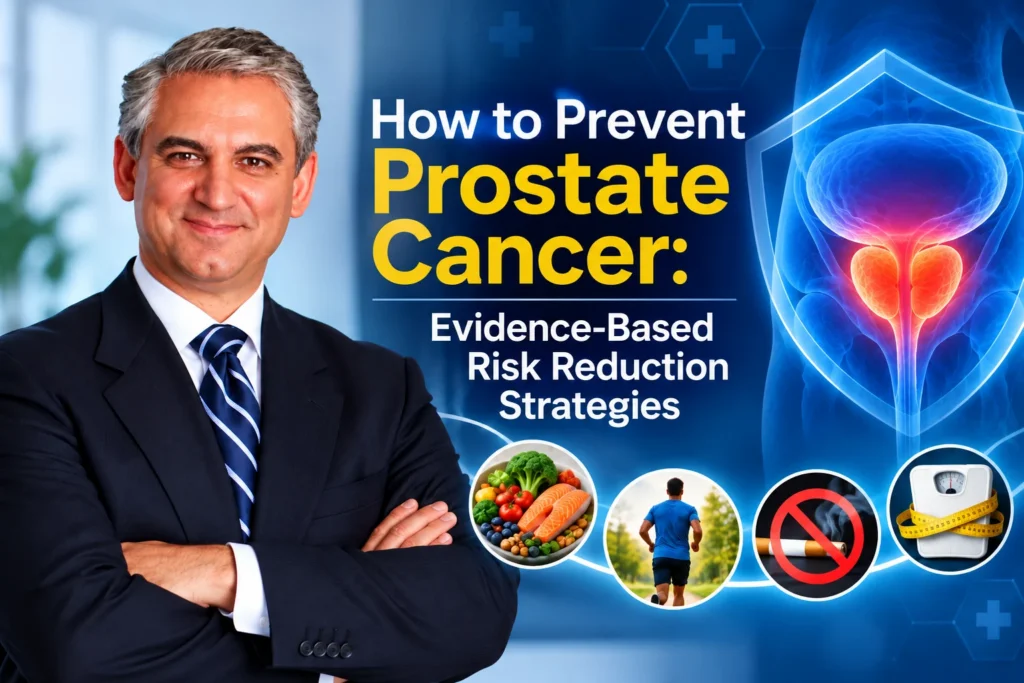
Prostate cancer remains the most frequently diagnosed non-skin cancer among men. While non-modifiable factors such as chronological age, African ancestry, and inherited genetic mutations (e.g., BRCA1/2, HOXB13) establish a baseline predisposition, cancer development is not entirely predetermined. Epigenetic triggers, systemic microvascular health, metabolic inflammation, and hormonal signaling pathways profoundly influence whether cellular mutations arise, survive, and progress into aggressive malignancies.
Renowned robotic urologic oncologist Dr. David Samadi—Director of Men’s Health at St. Francis Hospital and developer of the SMART (Samadi Modified Advanced Robotic Technique) prostatectomy—frequently emphasizes to men that “prevention” in urologic oncology operates on two synchronized fronts: lifestyle risk reduction and early detection screening. While no diet or regimen can provide an absolute guarantee against cellular mutations, implementing targeted nutritional strategies, controlling metabolic markers, avoiding high-risk habits, and establishing proactive PSA surveillance substantially reduce the likelihood of developing high-grade, life-threatening prostate cancer.
How to Prevent Prostate Cancer
1. Nutritional Oncology: The “Prostate-Friendly” Diet
What men consume directly influences circulating inflammatory cytokines, insulin-like growth factors, and oxidative stress within the prostate microenvironment. Dr. Samadi advises men to treat the kitchen as a preventive pharmacy, focusing on whole, unprocessed foods that have demonstrated biological activity against prostate carcinogenesis:
- Cooked Tomatoes (Lycopene): Lycopene is an antioxidant carotenoid that concentrates heavily in prostatic tissue. Epidemiological trials consistently show that men consuming cooked or heat-processed tomato products (such as tomato paste, marinara, or stewed tomatoes with olive oil) exhibit lower rates of prostate cancer. Cooking breaks down the plant cell walls and pairing them with healthy vegetable fats dramatically enhances lycopene bioavailability.
- Cruciferous Vegetables (Sulforaphane & Indole-3-Carbinol): Vegetables such as broccoli, Brussels sprouts, cauliflower, and kale contain glucosinolates that metabolize into sulforaphane. Sulforaphane selectively targets histone deacetylases (HDAC), promoting detoxification enzymes and inducing apoptosis in abnormal cells without harming benign tissue.
- Fatty Cold-Water Fish (Omega-3 Fatty Acids): Wild salmon, sardines, mackerel, and trout are rich in eicosapentaenoic acid (EPA) and docosahexaenoic acid (DHA). These long-chain omega-3 fatty acids actively compete with pro-inflammatory arachidonic acid pathways, downregulating cyclooxygenase-2 (COX-2) enzyme expression and reducing pelvic inflammation.
- Green Tea (EGCG Catechins): Green tea contains polyphenolic catechins, predominantly epigallocatechin-3-gallate (EGCG). In clinical studies, regular consumption of brewed green tea inhibits cell proliferation, limits tumor angiogenesis, and reduces oxidative DNA damage in glandular epithelial cells.
- Pomegranate Extract and Seeds: Pomegranates contain ellagitannins and punicalagins that exhibit anti-proliferative effects. Small clinical series have observed that pure pomegranate juice or seeds help prolong PSA doubling times and suppress tumor cell growth.
2. Dietary Pitfalls and Supplement Risks: What to Avoid
Reducing risk requires eliminating compounds that promote prostatic inflammation and endocrine disruption:
- Charred and High-Temperature Cooked Meats: Grilling, smoking, or frying meats at high temperatures forms heterocyclic amines (HCAs) and polycyclic aromatic hydrocarbons (PAHs). These potent carcinogens directly induce DNA adducts and mutagenic changes in prostate epithelial tissues.
- Excessive Saturated Animal Fats & High-Fat Dairy: High consumption of whole dairy and processed meats correlates with elevated levels of Insulin-Like Growth Factor 1 (IGF-1), a peptide hormone that accelerates prostate cell proliferation and blocks natural programmed cell death.
- Refined Sugars and High Glycemic Loads: Chronic intake of simple carbohydrates and high-fructose syrups triggers hyperinsulinemia. Insulin serves as an anabolic driver for oncogenic signaling cascades.
- The Danger of Over-Supplementing (Vitamin E and Selenium): A common clinical pitfall is taking unregulated over-the-counter mega-dose vitamins. Dr. Samadi points to the landmark SELECT trial (Selenium and Vitamin E Cancer Prevention Trial), which revealed that high-dose synthetic Vitamin E supplementation significantly increased the absolute risk of developing prostate cancer, while selenium offered no preventive protection. Micronutrients should come from whole-food nutrition rather than megadose pills.
3. Metabolic Health, Visceral Adiposity, and Exercise
The biological link between body composition and prostate cancer aggressiveness is well-documented. Clinical studies confirm that obesity (BMI 30) increases the risk of high-grade, aggressive prostate cancer by up to 57%.
[METABOLIC SYNDROME & THE PROSTATE]
│
┌───────────────────────┴───────────────────────┐
▼ ▼
[VISCERAL ADIPOSE TISSUE] [CHRONIC HYPERINSULINEMIA]
- Aromatase converts testosterone to estrogen • Elevated free IGF-1 bioactivity
- Releases TNF-alpha, IL-6, and leptin • Activates PI3K/Akt/mTOR pathway
- Generates pelvic venous congestion • Drives high-grade tumor growth
│ │
└───────────────────────┬───────────────────────┘
▼
[PROMOTION OF AGGRESSIVE, HIGH-GLEASON CANCER]
- Physical Activity (150–300 min/week): Engaging in 3 to 5 hours weekly of combined cardiovascular training (brisk walking, swimming, rowing) and resistance weight training stabilizes glucose metabolism, reduces systemic estrogenic conversion, and enhances immune surveillance.
- Waist-to-Hip Ratio Optimization: Reducing central visceral adiposity directly decreases intra-abdominal pressure, mitigates pelvic floor congestion, and normalizes endogenous testosterone-to-estradiol ratios.
4. Lifestyle Interventions: Comparing Protective vs. Risky Habits
| Lifestyle Category | High-Risk Behavior (Increases Risk) | Evidence-Based Protective Strategy |
| Dietary Fats | High saturated fat, processed meats, whole dairy | Cold-pressed extra virgin olive oil, avocado, wild salmon |
| Cooking Methods | Charring, deep-frying, well-done barbecuing | Steaming, baking, poaching, light sautéing |
| Micronutrient Intake | High-dose synthetic Vitamin E & Selenium pills | Whole-food lycopene, sulforaphane, food-based zinc |
| Body Composition | Sedentary lifestyle; abdominal/visceral obesity | 30 minutes daily moderate exercise; BMI 20–25 |
| Beverages | Sugary sodas, excessive commercial alcohol | Brewed green tea, pomegranate juice, water |
| Screening Strategy | Waiting until pain or urinary symptoms appear | Baseline PSA and DRE starting at age 40 |
5. Early Detection as Secondary Prevention: The Baseline PSA
Primary prevention (preventing the first malignant cell from forming) is not always biologically possible due to inherited genetics. Consequently, secondary prevention—detecting microscopic disease at its earliest, organ-confined stage when cure rates exceed 98%—is critical.
Dr. Samadi emphasizes that waiting for urinary hesitancy, a weak stream, or pelvic pain before getting checked is a dangerous clinical mistake: early-stage prostate cancer is almost entirely silent and painless.
- The Age 40 Baseline PSA: Dr. Samadi strongly advocates that every man obtain a baseline total PSA blood test and digital rectal exam (DRE) at age 40.
- Tracking Velocity: A single PSA reading provides a snapshot, but tracking the PSA velocity (rate of rise over time) and doubling time establishes a personalized biological trajectory. A subtle, steady rise in a man’s early 40s flags abnormal cellular activity years before a tumor breaches the capsule or spreads to adjacent tissues.
Frequently Asked Questions (FAQ)
Can prostate cancer be 100% prevented through diet and exercise alone?
No. While adopting a Mediterranean-style whole-food diet, avoiding charred meats, and exercising significantly reduce the risk of aggressive disease, they cannot alter inherited genetics (such as familial BRCA gene mutations or strong paternal history). Lifestyle modification must always be paired with routine screening.
Does frequent ejaculation lower the risk of prostate cancer?
Yes. Large prospective observational studies (including the Harvard Health Professionals Follow-Up Study) demonstrate that men who ejaculate frequently (21 or more times per month) exhibit an approximate 20% to 30% reduction in prostate cancer risk compared to men who ejaculate 4 to 7 times monthly. The biological mechanism, known as the “prostatic clearance hypothesis,” suggests that regular ejaculation flushes out accumulated chemical secretions and potentially carcinogenic crystalloids from the prostatic acini.
Should I take 5-alpha reductase inhibitors (Finasteride/Dutasteride) for cancer prevention?
While medications that block DHT (dihydrotestosterone) were studied in large prevention trials (PCPT and REDUCE) and reduced overall prostate cancer incidence by roughly 25%, they did not improve overall survival and showed an association with a slight proportional increase in high-grade Gleason 8–10 tumors. Dr. Samadi generally does not recommend 5-ARIs strictly for chemoprevention in healthy men; they remain indicated primarily for symptomatic BPH under clinical supervision.
Conclusion
Prostate cancer prevention requires a proactive, evidence-based approach that combines daily lifestyle interventions with disciplined clinical vigilance. By incorporating protective foods like cooked tomatoes, cruciferous vegetables, and omega-3 rich fish, maintaining a lean body mass, eliminating charred meats and synthetic mega-supplements, and establishing a baseline PSA screening protocol at age 40, men take active control of their long-term urologic vitality and overall longevity.
Consult with Dr. David Samadi
Whether you are looking to optimize your prostate health, evaluate a rising PSA score, or seek an expert second opinion on a newly diagnosed condition, specialized urologic leadership is paramount. Dr. David Samadi is a board-certified urologic oncologic surgeon, Director of Men’s Health at St. Francis Hospital, and developer of the SMART robotic technique with thousands of successful surgeries performed.
- Office Locations: 485 Madison Avenue, 21st Floor, New York, NY 10022 & Roslyn, NY
- Clinical Specialization: Prostate Cancer Prevention, Comprehensive PSA Kinetics, SMART Robotic Prostatectomy, and Men’s Health
- Direct Consultation Line: (212) 365-5000
- Case Review Portal:roboticoncology.com
 212-365-5000