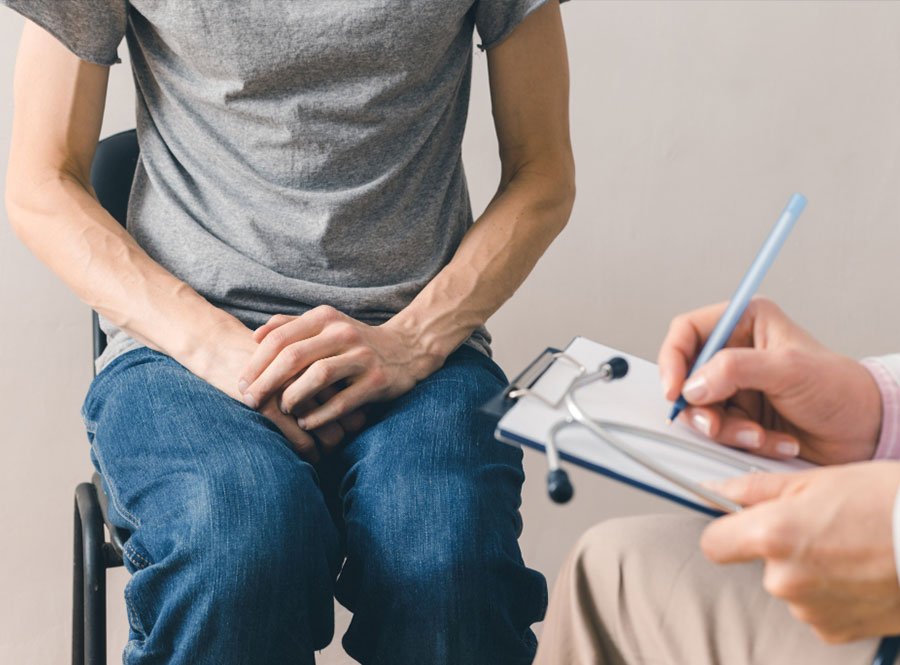
A prostate cancer diagnosis often marks the beginning of a fast-paced medical journey. When surgery is presented as the best path forward, making the final decision can feel overwhelming. A radical prostatectomy is highly effective at eradicating localized cancer, but the ultimate success of the procedure depends entirely on the hands executing it.
Dr. David Samadi emphasizes that an informed patient is an empowered patient. As a pioneer in urologic oncology with a history of over 10,000 successful procedures, Dr. Samadi encourages men to treat their initial consultations as an interview. Asking targeted, specific questions about a surgeon’s experience, techniques, and historical patient outcomes is the best way to secure your health while actively safeguarding your future quality of life. Let’s look at the essential questions every man should ask his urologist before committing to a prostatectomy.
1. Questions About Surgeon Experience and Volume
The single most critical variable predicting your post-operative outcome is the experience level of your surgeon. High-volume specialization builds the precise anatomical intuition needed to navigate complex pelvic structures.
- How many robotic prostatectomies do you perform personally each year? You want a dedicated specialist who performs this exact surgery multiple times a week, not a general urologist who only performs a handful a year.
- What is your lifetime total of robotic prostate procedures? Master-level outcomes are typically achieved by surgeons who have surpassed thousands of completed cases. Dr. Samadi, for example, has performed over 10,000.
- Will you be at the console for 100% of my surgery? At major academic teaching hospitals, residents or fellows in training often perform large segments of the operation. You need to verify that the expert you hired is executing every movement from start to finish.
2. Questions About Cancer Control and Surgical Margins
The primary objective of a prostatectomy is to ensure that you are completely cured of cancer.
- What is your personal rate of positive surgical margins? A positive margin means cancer cells were left behind at the edge of the surgical site. Experienced surgeons maintain exceptionally low positive margin rates, even in high-risk cases.
- How do you determine if pelvic lymph nodes need to be removed? Your surgeon should explain how your specific PSA trends, Gleason score, and preoperative imaging dictate the extent of the tissue removal.
3. Questions About Preserving Urinary Control
Post-operative incontinence is a major concern for patients, but advanced surgical techniques can dramatically alter your recovery timeline.
- What specific techniques do you use to protect bladder control? Ask if the surgeon utilizes an “inside-out” approach that avoids opening the natural pelvic fascia. Advanced methods that leave maximum urethral length intact allow the vast majority of patients to achieve a rapid return to full, pad-free continence shortly after catheter removal.
- What is your long-term continence rate? High-volume expertise generally yields significantly better results. For instance, Dr. Samadi’s SMART procedure boasts a 97% long-term continence rate.
4. Questions About Protecting Sexual Potency
The delicate nerve bundles responsible for erections run directly along the surface of the prostate, making nerve preservation a highly technical art form.
- Are you planning a nerve-sparing procedure in my case? Depending on the location of your tumor, the surgeon should clarify if they can perform a unilateral (one-sided) or bilateral (two-sided) nerve-sparing dissection.
- Do you use thermal energy or clips near the nerve bundles? Utilizing a completely heat-free (athermal) dissection prevents “thermal spread,” which can permanently shock or damage delicate nerve pathways.
- What does your penile rehabilitation protocol look like? A proactive recovery plan using early medical therapies is essential to maintain tissue health while the nerves gradually regenerate.
5. Questions About Recovery and Hospital Stay
Understanding the immediate post-operative timeline helps you plan for your return to your career and hobbies.
- How long will I need to stay in the hospital? Thanks to modern minimally invasive robotics, 99% of Dr. Samadi’s patients are safely discharged home within 24 hours of surgery.
- How many days will I need to wear the urinary catheter? Typically, the catheter is removed between days 5 and 7 during a quick, routine office check.
- When can I safely return to work and my normal physical routine? Most men return to remote desk duties within 2 to 3 weeks, while heavy physical labor or high-impact training requires a standard six-week healing window.
Conclusion + CTA
When facing prostate cancer, you should never hesitate to demand transparent answers from your care team. A master surgeon will welcome your questions and provide detailed, data-backed insights into their clinical success. By choosing a world-class leader who utilizes strict athermal nerve-sparing and precision reconstruction, you gain the security of unmatched high-volume experience designed to preserve your manhood, independence, and daily lifestyle.
CTA: Contact the Samadi Robotics Center today at roboticoncology.com or call 212-365-5000 to get definitive answers and build your personalized prostate cancer recovery plan with Dr. David Samadi.
 212-365-5000