
Stage 1 prostate cancer is the earliest, most localized form of the disease. At this stage, the tumor is small, confined entirely within one side of the prostate gland, slow-growing, and has not spread to lymph nodes or distant organs. Because Stage 1 disease is caught early and carries low-risk cellular biology, the long-term outlook is exceptional—with a 5-year relative survival rate of nearly 100%.
Board-certified urologist and robotic prostate cancer specialist Dr. David Samadi, MD—Director of Men’s Health and Urologic Oncology at St. Francis Hospital in Roslyn, New York, and creator of the Samadi Modified Advanced Robotic Technique (SMART) surgery—helps newly diagnosed patients evaluate their full range of Stage 1 options. Because Stage 1 tumors typically grow slowly, you have time to review your imaging, pathology, and lifestyle priorities carefully before deciding between structured monitoring and curative treatment.
What Defines Stage 1 Prostate Cancer?
Doctors classify prostate cancer using the American Joint Committee on Cancer (AJCC) staging system, which combines physical exam findings, imaging, PSA blood levels, and microscopic biopsy grade:
- Tumor Size & Location (T1 or T2a): Either the tumor is too small to be felt during a digital rectal exam (DRE) and was discovered through an elevated PSA test or MRI-targeted biopsy (T1), or a small nodule can be felt on half or less of one side of the prostate (T2a).
- Lymph Nodes & Distant Spread (N0, M0): Zero cancer cells are present in nearby pelvic lymph nodes or distant bones and organs.
- PSA Level: Typically below 10 ng/mL.
- Cellular Grade:Grade Group 1 (Gleason Score 6)—meaning the cells look very similar to healthy prostate tissue and tend to grow slowly.
Symptoms: Why Stage 1 Is Usually Silent
The vast majority of men with Stage 1 prostate cancer have zero symptoms at the time of diagnosis. Early prostate tumors usually develop in the outer peripheral zone of the gland away from the urinary channel (urethra), so they rarely press on the bladder or block urine flow.
When mild urinary changes do occur alongside a Stage 1 diagnosis, they are most often caused by coexisting benign prostatic hyperplasia (BPH)—non-cancerous prostate enlargement common with aging:
- Increased urinary frequency (going more often during the day)
- Waking up at night to urinate (nocturia)
- Weak or interrupted urine stream or difficulty starting urination
- Mild pelvic discomfort or a feeling of incomplete bladder emptying
Because early-stage disease rarely produces warning signs, routine PSA blood testing paired with multiparametric prostate MRI remains the most reliable way to detect Stage 1 cancer while it is completely contained. You can check the Best Treatment for Early-Stage Prostate Cancer.
Stage 1 Treatment Options: Comparing Your Choices
Unlike aggressive or locally advanced cancers that require immediate intervention, Stage 1 prostate cancer gives patients several proven, individualized pathways:
| Treatment Pathway | How It Works | Ideal Candidates | Key Considerations |
| Active Surveillance | Closely monitors the tumor with PSA tests every 3–6 months, periodic multiparametric MRIs, and occasional confirmatory biopsies—delaying or avoiding treatment unless signs of growth appear. | Men with low-volume, low-grade Stage 1 cancer who wish to preserve immediate urinary and sexual baseline function and feel comfortable with scheduled monitoring. | Avoids treatment side effects upfront while keeping curative surgery or radiation available if the tumor ever changes. |
| Robotic-Assisted Radical Prostatectomy (SMART Technique) | Minimally invasive keyhole removal of the entire prostate gland while sparing surrounding erectile nerves and urinary sphincter length. | Younger or active men seeking definitive tumor removal, complete pathology staging, immediate PSA drop to zero, or relief from coexisting urinary obstruction. | Temporary post-catheter dripping and gradual erectile nerve recovery; preserves safe salvage radiation as a backup option. |
| Radiation Therapy (IMRT, SBRT, or Brachytherapy) | Targeted external X-ray beams (often completed in 5 to 28 outpatient sessions) or tiny implanted radioactive seeds that destroy cancer cells inside the gland. | Older men, patients with medical conditions making anesthesia risky, or men strongly preferring a non-surgical approach. | Avoids surgery and catheterization; can cause temporary urinary/bowel irritation and gradual erectile decline years later. |
| Focal Therapy (HIFU / Cryotherapy / IRE) | Targeted energy destroys only the small tumor zone inside the prostate while leaving healthy surrounding prostate tissue untouched. | Select men with a single, clearly visible MRI lesion confined to one lobe who want middle-ground treatment between surveillance and whole-gland therapy. | Lower risk of urinary or sexual side effects, though ongoing PSA and MRI follow-up is required to monitor untreated prostate tissue. |
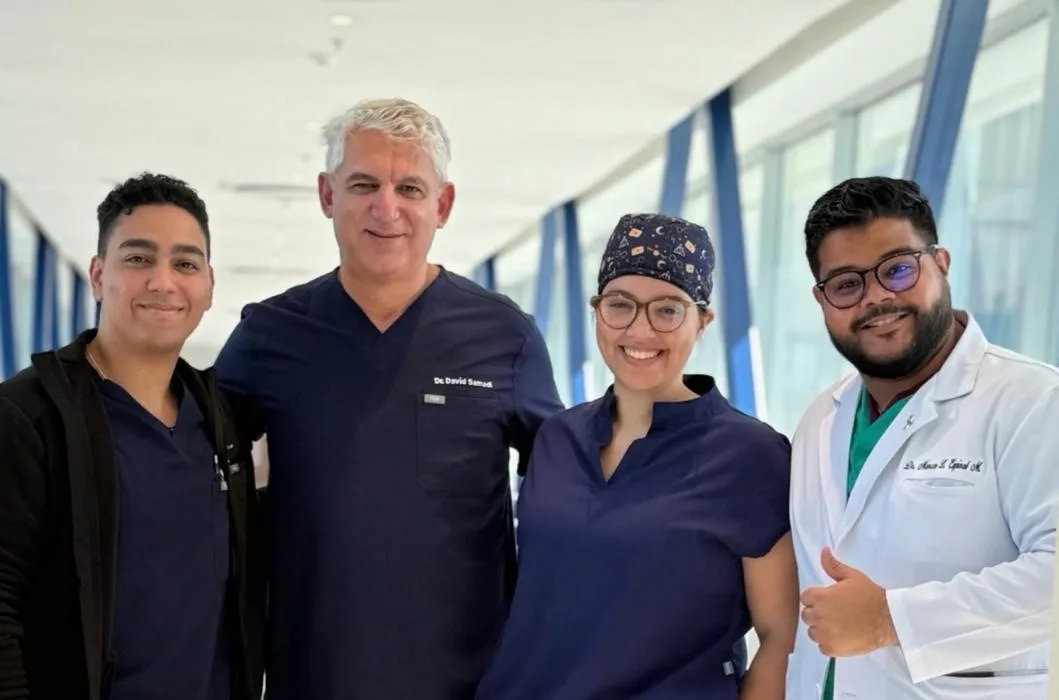
Active Surveillance vs. Immediate Curative Surgery: How Dr. Samadi Helps You Decide
Many men diagnosed with Stage 1 prostate cancer ask: “Should I monitor this safely, or take it out now while it’s small?” Dr. David Samadi evaluates four critical clinical factors before recommending a path:
- Biopsy Volume & MRI Clarity: How many biopsy cores contained cancer cells, what percentage of each core was involved, and does a 3T multiparametric MRI confirm there are no hidden higher-grade lesions?
- Genomic Biomarker Testing: Tissue-based molecular tests (such as Decipher, Oncotype DX, or Prolaris) analyze the tumor’s genetic activity to reveal whether a seemingly quiet Stage 1 tumor carries hidden biological potential to grow faster.
- Age & Life Expectancy: A 55-year-old man with 30+ years of active life ahead has a higher cumulative chance of eventually needing treatment than a 76-year-old man, and younger men experience the fastest nerve and continence recovery after robotic surgery.
- Peace of Mind vs. Quality of Life: Some men thrive on Active Surveillance without stress, while others feel anxious living with untreated cancer and prefer the certainty of surgical removal and an undetectable PSA.
When surgery is chosen, Dr. Samadi’s SMART (Samadi Modified Advanced Robotic Technique) avoids cutting through the endopelvic fascia and dorsal venous complex unnecessarily—protecting the delicate neurovascular bundles and urinary control mechanism to support rapid recovery of continence and potency.
Long-Term Outlook & Survival Rates
The prognosis for Stage 1 prostate cancer is among the most favorable of any adult malignancy:
- 5-Year Relative Survival Rate:Nearly 100% (over 99%) according to national cancer registry data.
- 10-Year Relative Survival Rate:Approximately 98% to 100%.
- Low Recurrence Risk: Following definitive robotic prostatectomy for Stage 1 disease, long-term biochemical recurrence rates remain extremely low—under 1% to 5% over 5 to 10 years.
Healthy daily habits—including regular cardiovascular and resistance exercise, a heart-healthy Mediterranean-style diet, maintaining a healthy weight, and avoiding tobacco—further support long-term survivorship and overall pelvic health.
Frequently Asked Questions (FAQ)
Can Stage 1 prostate cancer be completely cured?
Yes. Because Stage 1 prostate cancer is confined completely inside the prostate gland, curative treatments such as robotic radical prostatectomy and targeted radiation therapy eradicate the cancer in the vast majority of patients.
If I choose Active Surveillance, could the cancer suddenly spread before my next checkup?
Low-risk Stage 1 prostate cancer typically grows very slowly over many years. Structured Active Surveillance uses scheduled PSA tests, multiparametric MRIs, and confirmatory biopsies specifically designed to catch subtle changes early—well within the window where curative treatment remains 100% effective.
How fast does Stage 1 prostate cancer progress if left untreated?
Progression varies by individual biology. Long-term studies show that roughly half of men on Active Surveillance remain stable for 10 to 20+ years without ever needing treatment, while the other half eventually show gradual PSA or grade progression and transition smoothly to surgery or radiation.
Should I get a second opinion on my Stage 1 biopsy?
Yes. Having an experienced urologic oncologist and specialized genitourinary pathologist review your biopsy slides and prostate MRI confirms whether your tumor is truly low-risk Stage 1 or whether hidden higher-grade cells warrant proactive treatment.
Consult with Dr. David Samadi, MD in New York
If you were recently diagnosed with Stage 1 prostate cancer and want a clear, objective review of your pathology, MRI, and genomic testing before deciding between Active Surveillance and robotic surgery, an expert consultation provides peace of mind. Dr. David Samadi, MD is a board-certified urologic oncologist and internationally recognized pioneer in robotic prostate cancer surgery.
- Clinical Location: St. Francis Hospital – The Heart Center, 2200 Northern Boulevard, Suite 208, East Hills / Roslyn, NY 11548
- Clinical Specialization: Robotic-Assisted Radical Prostatectomy (SMART Technique), Active Surveillance Protocols, Second-Opinion Pathology & MRI Reviews, and Elevated PSA Evaluation
- Direct Appointment Line: (212) 365-5000
- Online Portal: roboticoncology.com
 212-365-5000