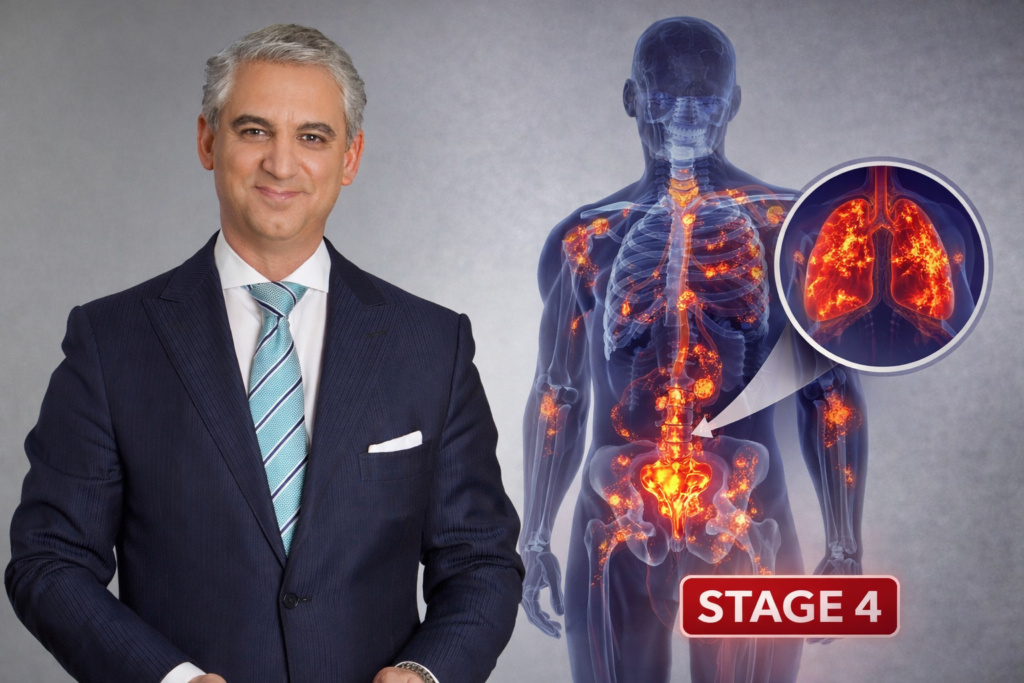
For men diagnosed with prostate cancer, the primary objective is to eliminate the disease. However, the secondary concern—preserving the quality of life—is equally paramount. The nerves responsible for erectile function and urinary control are microscopic and wrap around the prostate like a delicate web. Protecting them requires more than just a robot; it requires an elite surgical philosophy.
Dr. David Samadi has performed over 10,000 robotic prostatectomies and developed the SMART Surgery (Samadi Modified Advanced Robotic Technique) specifically to address the nuances of nerve preservation.
What is Nerve-Sparing Surgery?
In a traditional prostatectomy, the nerves are often viewed as “collateral damage.” In a nerve-sparing procedure, the surgeon meticulously peels these microscopic fibers away from the prostate before the gland is removed.
Dr. Samadi’s approach goes beyond the standard definition of “sparing” by utilizing three specific technical pillars:
- The Athermal (No-Heat) Technique
Most surgeons use cautery (electric heat) to seal blood vessels during surgery. However, heat travels through tissue. Even if a surgeon doesn’t touch a nerve, the “thermal spread” can stun or permanently kill the nerve fibers.
- The SMART Difference: Dr. Samadi uses a strictly athermal approach near the nerves. By using “cold” surgical clips and scissors, he ensures zero thermal energy reaches the neurovascular bundles.
- The “Inside-Out” Dissection
Standard surgery often begins by stripping the outer layers of the prostate, which is where the nerves are located. This increases the risk of mechanical trauma.
- The SMART Difference: Dr. Samadi enters the pelvic floor and approaches the prostate from the inside out. This allows him to identify the nerves early and “back away” from them, creating a safety cushion between the cancer and the functional anatomy.
- Clipless Nerve Preservation
In addition to avoiding heat, Dr. Samadi has refined a technique that minimizes the use of surgical clips directly on the nerve bundles. This reduces “traction injury”—the physical stretching of nerves that can lead to temporary or permanent erectile dysfunction.
Functional Outcomes: Potency and Continence
The goal of the SMART technique is to achieve the “Trifecta”: cancer cure, full potency, and zero incontinence. Dr. Samadi’s high-volume experience has led to some of the most consistent functional results in the world:
- Potency Preservation: Up to 85% of patients regain sexual function within 12 months. For younger patients with high baseline function, this number can reach 96.6% within 18 months.
- Urinary Continence: Due to the preservation of the endopelvic fascia and the urinary sphincter, 97% of SMART surgery patients achieve full continence, often shortly after the catheter is removed.
Frequently Asked Questions
Can every patient have nerve-sparing surgery?
Oncological safety is the first priority. If the cancer has moved outside the prostate and into the nerve bundles, Dr. Samadi will prioritize complete cancer removal. However, his “Inside-Out” method often allows for partial nerve-sparing even in complex cases where other surgeons might perform a radical removal.
How does the robot help with nerve preservation?
The da Vinci robot provides 10x 3D high-definition magnification. This allows Dr. Samadi to see the neurovascular bundles with more clarity than the naked eye, ensuring that the dissection is accurate to the millimeter.
What is the “surgical hangover” for this procedure?
Because the SMART technique is minimally invasive and nerve-conscious, the body experiences less systemic stress. Most patients return home within 24 hours and resume light activities within a week.
Preserve Your Future with a World Leader
When it comes to nerve-sparing surgery, there is no substitute for volume. Dr. David Samadi’s 10,000+ cases have provided him with the anatomical intuition required to protect what matters most to you.
Contact the Samadi Robotics Center:
- Surgeon: Dr. David Samadi
- Website: roboticoncology.com
- Phone: 212-365-5000
- Manhattan Address: 485 Madison Avenue, 21st Floor, New York, NY 10022
- Long Island Address: 2200 Northern Blvd, Suite 120, East Hills, NY 11548
 212-365-5000