One of the most confusing moments after a prostate cancer diagnosis isn’t hearing the word cancer — it’s hearing where you fall on the “risk scale.”
- Low risk.
- Intermediate risk.
- High risk.
For most patients, those labels don’t immediately mean much. They sound clinical. Detached. And yet, those three categories shape nearly every treatment decision that follows.
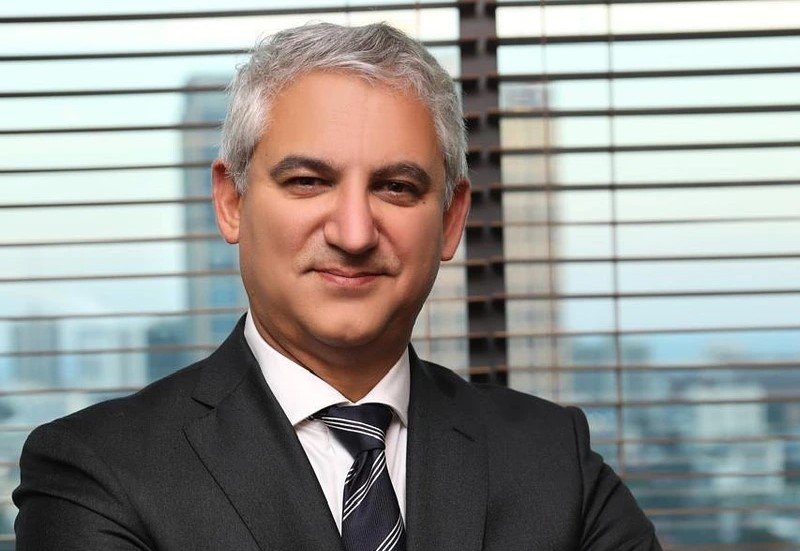
At Dr. David Samadi’s practice, a large part of the first consultation is spent slowing this down and translating what prostate cancer risk levels actually mean for the person sitting in the room — not just what they mean on paper.
What “Risk Level” Really Means in Prostate Cancer
Prostate cancer risk isn’t about how you feel. Many men with higher-risk disease feel completely fine.
Risk level is a way doctors estimate:
- How aggressive the cancer is
- How likely it is to grow or spread
- How urgently it needs treatment
It’s not a guess. It’s based on measurable data — but interpreting that data correctly is where experience matters.
The Three Main Prostate Cancer Risk Categories
Most prostate cancers fall into one of three broad groups. Dr. David Samadi explains these early, because misunderstanding them often leads to unnecessary fear — or false reassurance.
Low-Risk Prostate Cancer
Low-risk prostate cancer typically means:
- Low PSA levels
- Gleason score of 6
- Cancer confined to the prostate
- Slow-growing behavior
This is where many patients hear the phrase “watch and wait” or active surveillance.
Dr. Samadi is careful here. Low risk does not mean “ignore it.” It means:
- Close monitoring
- Regular PSA testing
- Periodic imaging or repeat prostate biopsy
For the right patient, delaying treatment can be safe. For the wrong patient, it can quietly allow progression.
Knowing the difference takes judgment.
Intermediate-Risk Prostate Cancer
This is where decisions get more nuanced — and where many patients feel stuck.
Intermediate risk often includes:
- Moderately elevated PSA
- Gleason score of 7
- Cancer that may still be localized but more active
This group is not uniform. Some intermediate-risk cancers behave more like low-risk disease. Others behave closer to high-risk.
At this stage, Dr. Samadi often shifts the conversation from “Do we treat?” to “How do we treat — and when?”
Surgery, radiation, or carefully selected surveillance may all be on the table, depending on:
- Tumor location
- MRI findings
- Patient age and health
- Functional priorities
This is where one-size-fits-all recommendations break down.
High-Risk Prostate Cancer
High-risk prostate cancer usually involves:
- High PSA levels
- Gleason scores of 8–10
- More aggressive cellular behavior
- Higher likelihood of spread
Here, delaying prostate cancer treatment can reduce the chance of cure.
Dr. Samadi approaches high-risk cases with a clear priority: control the cancer first, while still protecting quality of life whenever safely possible.
This is also where surgeon experience becomes non-negotiable. High-risk cases require technical precision, advanced planning, and comfort managing complex anatomy.
Why Risk Level Alone Is Not the Whole Story
One of the most common mistakes patients make is assuming risk level alone dictates treatment.
It doesn’t.
Dr. Samadi looks at:
- MRI detail, not just biopsy summaries
- PSA trends over time, not single numbers
- Tumor position relative to nerves and structures
- The patient’s baseline urinary and sexual function
Two men with the same “risk level” may receive very different recommendations — and for good reason.
How Risk Level Guides Surgical Decisions
When surgery is considered, risk level helps answer questions like:
- Can nerves be preserved safely?
- Is full gland removal necessary?
- Should additional therapies be planned?
Dr. Samadi’s SMART surgery for prostate cancer (Samadi Modified Advanced Robotic Technique) was developed to address these exact challenges — refining prostate cancer surgery techniques that were established decades ago to improve precision and functional outcomes today.
This is not experimental surgery. It’s the evolution of prostate cancer treatment guided by thousands of cases and decades of outcomes.
Why Experience Matters More at Higher Risk Levels
Robotic surgery doesn’t eliminate complexity. It magnifies it.
Higher-risk cancers demand:
- Advanced anatomical understanding
- Real-time decision-making
- Comfort operating near critical structures
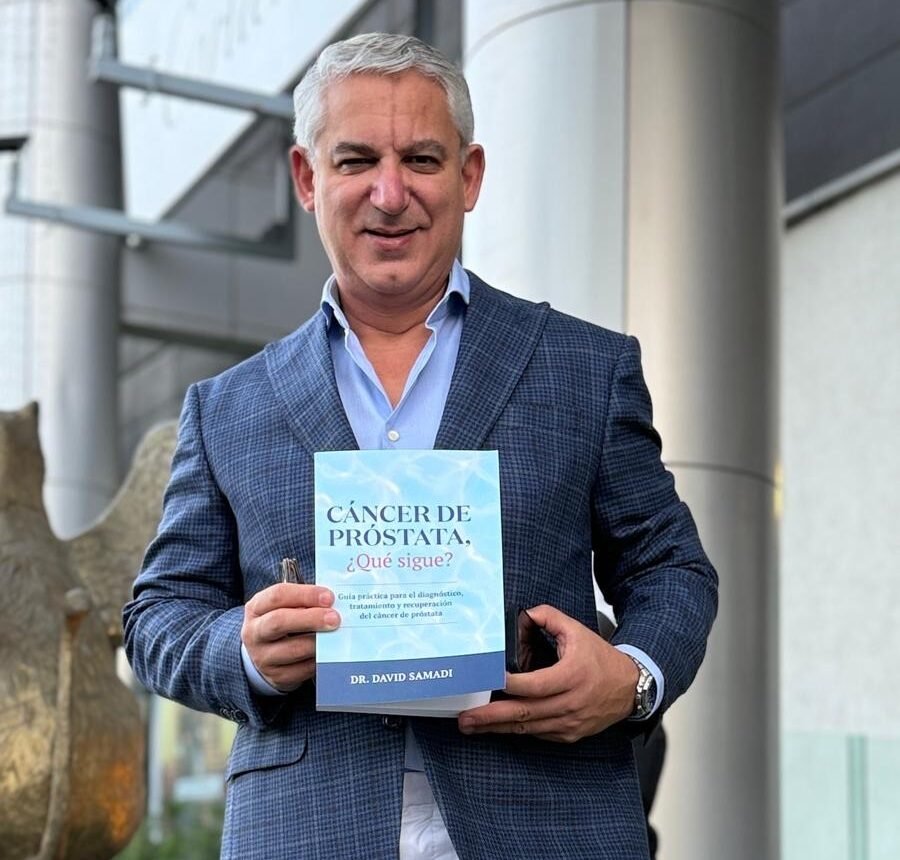
Dr. Samadi is internationally recognized for this level of expertise and is frequently featured on Fox News and Newsmax as a Key Opinion Leader in prostate cancer surgery and men’s health.
For patients with intermediate- or high-risk disease, surgeon volume and judgment often influence outcomes more than the technology itself.
What Patients Often Get Wrong About Risk Levels
Dr. Samadi regularly corrects a few common assumptions:
- Low risk does not mean zero risk
- High risk does not mean no hope
- Surgery is not always aggressive — sometimes it’s protective
- Waiting is not always safer
Understanding risk correctly prevents rushed decisions and missed opportunities.
Frequently Asked Questions
Can low-risk prostate cancer turn into high-risk cancer?
Yes. Some cancers progress over time, which is why active surveillance requires strict monitoring.
Does higher risk always mean surgery?
Not always, but it often means treatment should not be delayed.
Can risk level change after surgery?
Yes. Final pathology sometimes reclassifies risk once the prostate is fully examined.
Is PSA the most important factor?
PSA matters, but it’s only one piece of the puzzle.
Should I get a second opinion about my risk level?
Many patients do, especially when treatment decisions feel unclear.
The Takeaway
Prostate cancer risk levels are not labels — they’re tools.
When interpreted correctly, they guide timing, treatment, and long-term outcomes. When misunderstood, they create fear or false reassurance.
The goal isn’t just knowing your risk.
It’s knowing what to do with that information.
Contact Dr. David Samadi
If you’ve been diagnosed with prostate cancer and want a clear explanation of your risk level — and what it truly means for your future — a consultation is the next step.
Dr. Samadi is:
- World-renowned for prostate cancer surgery
- A frequent national media contributor on Fox News and Newsmax
- Known for outcomes-focused, precision-driven care
Website: https://roboticoncology.com
Address: 485 Madison Avenue, 21st Floor, New York, NY 10022
Phone: 212-365-5000
Your visit includes:
- Detailed review of imaging and biopsy results
- Honest discussion of all treatment paths
- Clear expectations — no pressure, no hype
- A plan built around long-term health and quality of life
 212-365-5000