
A Surgeon’s Perspective from David Samadi
One of the most dangerous things about prostate cancer isn’t the cancer itself. It’s how easy it is to ignore the early signs. Dr. Samadi sees this every week. Men come in thinking their symptoms are just part of aging. A little trouble urinating. A change in sexual function. Some vague pelvic discomfort. Nothing that feels urgent. By the time many patients seek care, the disease has often had months — sometimes years — to progress. This is exactly why symptom awareness matters.
Why Prostate Cancer Is Often Missed Early?
Prostate cancer doesn’t usually announce itself loudly. It tends to start quietly, gradually, and without sharp pain.
From Dr. Samadi’s experience performing prostate cancer surgery for decades, the men most at risk aren’t those ignoring severe symptoms — they’re the ones dismissing mild but persistent changes.
Many patients tell him:
- “I thought this was normal for my age.”
- “I didn’t want to overreact.”
- “I figured I’d deal with it later.”
Unfortunately, prostate cancer doesn’t wait.
Urinary Changes That Should Raise a Red Flag
Urinary symptoms are the most common early warning signs Dr. Samadi sees — and also the most ignored.
Symptoms that deserve evaluation include:
- Weak urine stream
- Difficulty starting urination
- Frequent nighttime urination
- Feeling like the bladder doesn’t fully empty
- Dribbling or interrupted flow
These symptoms don’t automatically mean cancer. But they should never be brushed off without proper evaluation.
Dr. Samadi often reminds patients that prostate enlargement and prostate cancer can feel similar — and imaging plus testing are what separate the two.
Blood in Urine or Semen Is Never “Nothing”
This is one symptom Dr. Samadi treats as non-negotiable. Blood in the urine or semen — even once — should always be checked.
While there are benign causes, Dr. Samadi has diagnosed prostate cancer in men whose only early sign was trace bleeding that later disappeared.
Ignoring it because it “went away” is a mistake he has seen far too often.
Pelvic, Hip, or Lower Back Pain That Doesn’t Make Sense
Pain from prostate cancer doesn’t usually start sharply.
It may feel like:
- A dull ache in the pelvis
- Pressure near the rectum
- Deep lower back discomfort
- Hip pain with no clear injury
Dr. Samadi pays close attention when pain doesn’t match imaging of the spine or joints — especially in men over 45.
Pain without explanation deserves answers.
Erectile and Sexual Changes Can Be Early Signals
This is a sensitive topic, but an important one.
While erectile dysfunction is common with aging, Dr. Samadi looks closer when sexual changes appear suddenly, worsen quickly, or occur alongside urinary symptoms.
Prostate cancer can affect:
- Nerve signaling
- Blood flow
- Ejaculatory function
These changes alone don’t diagnose cancer — but combined with other symptoms, they raise concern.

Family History Changes the Threshold Completely
Dr. Samadi treats many men who wish they had taken family history more seriously.
Men with:
- A father or brother with prostate cancer
- Known genetic risk factors
- Early-onset cancer in relatives
should not wait for symptoms at all.
Prostate Cancer Screening timing, PSA interpretation, and imaging decisions are different for high-risk patients — and Dr. Samadi has spent decades refining how those decisions are made.
What Dr. Samadi Looks for During Evaluation?
Dr. Samadi doesn’t rely on a single number or test.
His evaluations typically include:
- PSA trends over time (not just one value)
- Advanced imaging when indicated
- Biopsy interpretation in clinical context
- Functional considerations, not just cancer staging
This approach is shaped by decades of surgical experience and thousands of prostate cancer cases — not textbook algorithms alone.
Why Early Detection Changes Everything?
When prostate cancer is caught early:
- Treatment options are broader
- Cure rates are higher
- Nerve-sparing is more often possible
- Urinary and sexual outcomes improve
This is why Dr. Samadi emphasizes evaluation before symptoms become severe.
The earlier the diagnosis, the more control patients have over both cancer treatment and quality of life.

Frequently Asked Questions
Do all urinary symptoms mean prostate cancer?
No. But they should always be evaluated to rule it out.
Is PSA testing enough?
PSA is a tool, not a diagnosis. Trends, imaging, and clinical judgment matter.
Can prostate cancer exist without symptoms?
Yes. Many early cases are completely silent.
What age should men start paying attention?
Most men should start screening discussions around 45–50, earlier with family history.
If symptoms are mild, can I wait?
Waiting without evaluation is the risk — not the symptom severity.
Why Men Trust Dr. Samadi with Prostate Cancer Care?
Dr. David Samadi is internationally recognized for prostate cancer surgery and has been performing advanced prostate procedures for decades.
He is:
- A world-renowned prostate cancer surgeon
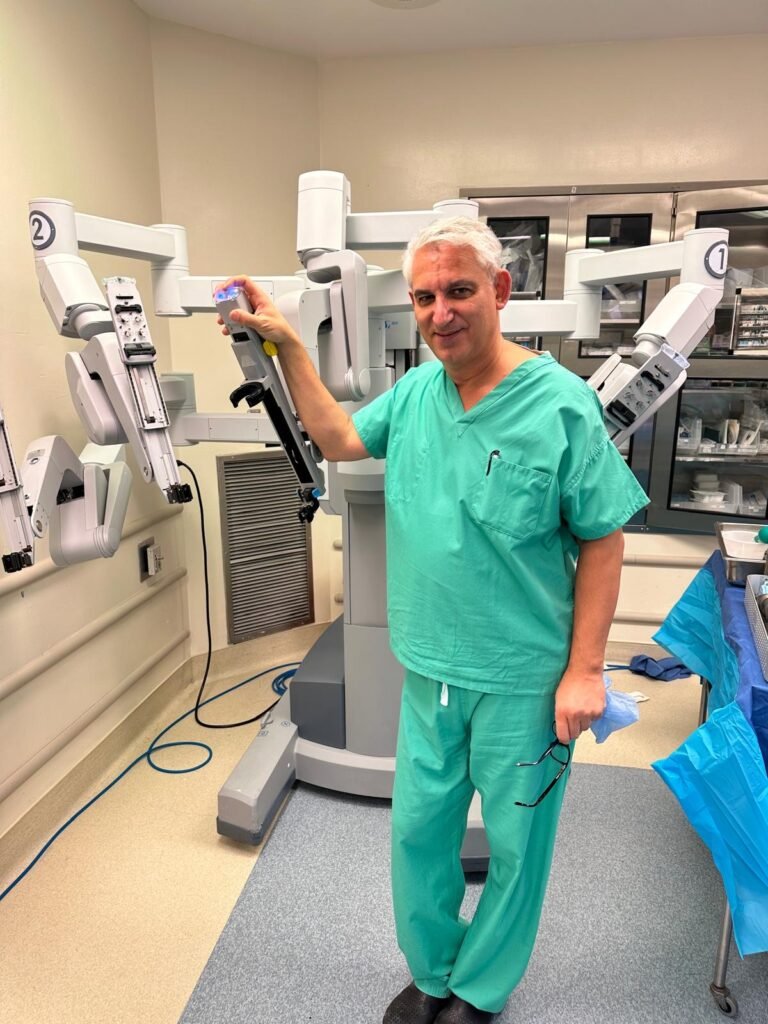
- A pioneer in robotic prostate surgery techniques
- A frequent medical expert and contributor on Fox News and Newsmax
- A Key Opinion Leader in men’s health and urologic oncology
His approach prioritizes:
- Cancer control
- Nerve preservation when safe
- Long-term urinary and sexual function
- Honest, experience-based guidance
Patients travel from across the U.S. and internationally because outcomes — not marketing — matter.
Contact Dr. Samadi
If you’re experiencing symptoms that don’t feel right — or you simply want clarity — evaluation is the next step.
A consultation with Dr. Samadi typically includes:
- Review of symptoms and history
- PSA and imaging analysis
- Discussion of all management options
- Clear guidance without pressure
Website: https://roboticoncology.com
Address: 485 Madison Avenue, 21st Floor, New York, NY 10022
Phone Number: 212-365-5000
The goal is not fear.
The goal is early answers — while options are still wide open.
 212-365-5000