When patients ask whether prostate cancer surgery is “successful,” they’re usually not talking about one thing.
They’re thinking about several things at once.
Did the cancer get removed completely?
Will I regain urinary control?
Will erections come back?
How long will recovery actually take?
And most importantly — did I choose the right surgeon?
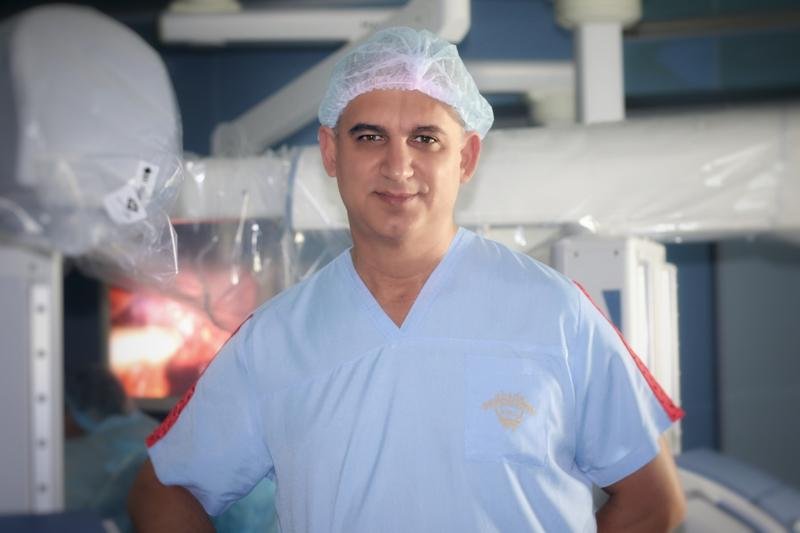
At Dr. David Samadi’s practice in New York, these are the exact questions patients bring into the consultation room every day. And the answer is rarely as simple as “the surgery went well.”
Success in prostate cancer surgery is built long before the first incision — and it continues long after the operation is over.
Cancer Control Comes First — Always
No matter how advanced the technique, the primary goal never changes: remove the cancer safely and completely.
Dr. Samadi is very direct about this with patients. Functional outcomes matter, but they never come at the expense of oncologic control.
A successful surgery means:
- Clear cancer margins whenever possible
- Appropriate removal based on cancer stage and location
- Accurate assessment of whether nerves can be preserved safely
This balance between cancer control and quality of life is where experience matters most.
Surgical Technique Is Not New — Mastery Is
Robotic prostate surgery itself is not new.
The foundations of modern prostatectomy were established decades ago.
What has changed is how refined the technique has become — and how much surgeon skill influences outcomes.
Dr. Samadi developed and refined his SMART surgery (Samadi Modified Advanced Robotic Technique) after years of performing prostate cancer surgeries and seeing firsthand where traditional approaches fell short.
The goal was not innovation for innovation’s sake — but consistency, precision, and better functional recovery.
Why Surgeon Volume Changes Outcomes
This is something patients often underestimate.
High-volume prostate cancer surgeons:
- Anticipate anatomic variation
- Recognize subtle differences in nerve location
- Adjust technique mid-surgery when anatomy demands it
- Avoid unnecessary tissue trauma
Dr. Samadi has performed thousands of prostate cancer surgeries over the course of his career, making him one of the most experienced prostate cancer surgeons in the world.
That volume translates directly into decision-making under pressure — something no robot can replicate.
Nerve Preservation Is a Skill, Not a Switch
Patients often ask if their nerves will be “saved.”
The honest answer: it depends.
Nerve-sparing is not an all-or-nothing decision. It’s a moment-by-moment judgment made during surgery based on:
- Cancer location
- Tumor aggressiveness
- MRI findings
- Intraoperative anatomy
Dr. Samadi is known for his nerve-conscious approach, but he is equally known for being honest when nerve preservation would compromise cancer control.
That judgment — knowing when to preserve and when not to — is one of the biggest factors in long-term success.

Urinary Control Depends on More Than Healing Time
Many patients assume continence returns automatically with time.
In reality, early and long-term urinary control is strongly influenced by:
- Surgical reconstruction technique
- Preservation of supportive structures
- Precision during bladder neck reconstruction
Dr. Samadi places heavy emphasis on reconstructive steps during robotic prostatectomy — details that often separate average outcomes from excellent ones.
Recovery Starts With Expectations
A “successful” surgery doesn’t mean instant recovery.
Dr. Samadi spends time preparing patients for:
- Gradual improvement, not overnight change
- The role of pelvic floor rehabilitation
- Realistic timelines for sexual recovery
- Follow-up and monitoring
Patients who understand the process tend to recover better — both physically and mentally.
Why Dr. Samadi Is Trusted Worldwide
Dr. Samadi is internationally recognized for his work in prostate cancer surgery and men’s health.
He is:
- World-renowned for robotic prostate cancer surgery
- A Key Opinion Leader in prostate cancer treatment
- Frequently featured on Fox News and Newsmax as a medical expert
- Known for combining cancer control with quality-of-life preservation
Patients travel from across the U.S. and internationally to seek his expertise — not because of marketing, but because of outcomes.
Frequently Asked Questions
What defines success after prostate cancer surgery?
Successful surgery means effective cancer control while preserving urinary and sexual function whenever safely possible.
Does robotic surgery guarantee better results?
No. The robot is a tool. Outcomes depend on surgeon experience and technique.
How long does recovery take?
Initial recovery occurs over weeks. Functional recovery can take months and varies by individual.
Is nerve-sparing always possible?
No. It depends on cancer location and aggressiveness. Safety comes first.
Should I get a second opinion?
Many patients do, especially when weighing surgery versus other treatments.
The Bottom Line
Prostate cancer surgery is successful when it’s:
- Thoughtfully planned
- Performed by a highly experienced prostate surgeon
- Focused on both cancer control and long-term quality of life
- Supported by honest communication and follow-up care
Technique matters.
Experience matters more.
Contact Dr. David Samadi
If you’re facing prostate cancer and want clarity about your prostate cancer treatment options, a consultation with Dr. David Samadi can help you understand what success looks like in your specific case.
Website: https://roboticoncology.com
Address: 485 Madison Avenue, 21st Floor, New York, NY 10022
Phone: 212-365-5000
Your visit typically includes:
- Review of imaging and biopsy results
- Discussion of all treatment options
- Honest expectations about outcomes and recovery
- A personalized surgical plan focused on long-term health
The right surgeon makes all the difference.
 212-365-5000