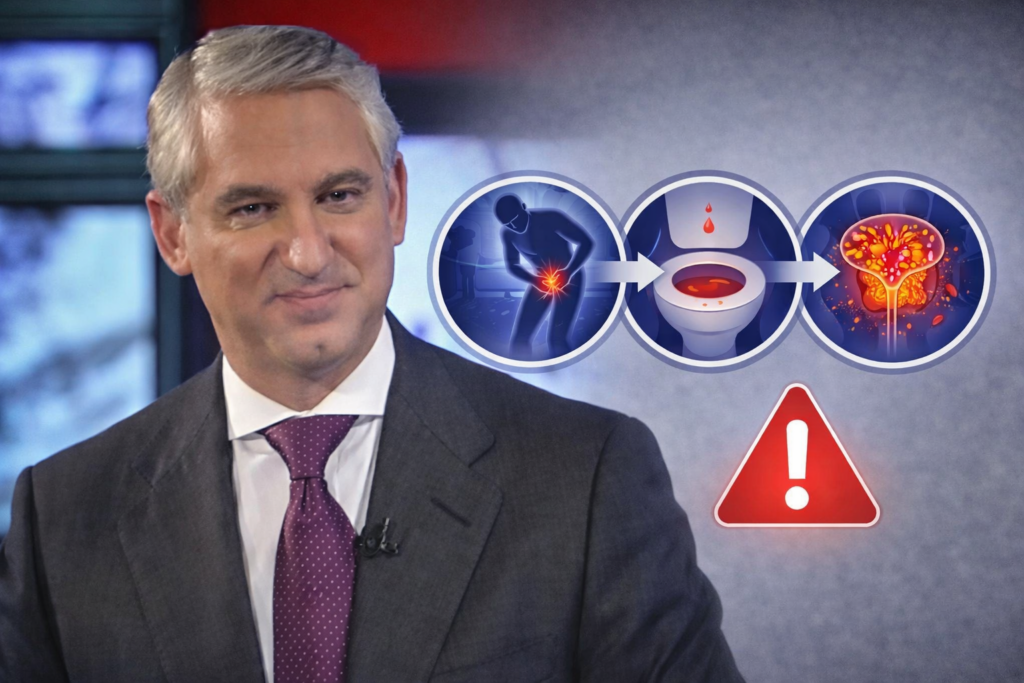
Most men don’t wake up thinking about prostate cancer.
And that’s part of the problem.
Early prostate cancer often doesn’t cause dramatic symptoms. When changes do appear, they’re easy to brush off as “getting older,” stress, or a temporary urinary issue. Dr. David Samadi has spent decades seeing what happens when warning signs are ignored for too long — and when catching them early makes all the difference.
This isn’t about panic.
It’s about knowing when something deserves attention.
Why Prostate Cancer Symptoms Are Often Missed
Prostate cancer usually grows slowly at first. That’s good news — but it’s also why many men delay getting checked.
Common thoughts Dr. David Samadi hears from patients:
“I thought it was just an enlarged prostate.”
“I didn’t think urinary issues could be cancer.”
“I didn’t have pain, so I assumed it wasn’t serious.”
The reality is that prostate cancer doesn’t need pain to be dangerous. Symptoms of prostate cancer often show up quietly, and timing matters.
Symptoms That Should Never Be Ignored
Warning signs of prostate cancer that should never be ignored include:
Urinary changes
- Weaker urine stream
- Trouble starting or stopping urination
- Frequent urination, especially at night
- Feeling like the bladder never fully empties
Blood-related symptoms
- Blood in urine
- Blood in semen
- Even one episode is enough to warrant testing.
Pelvic or lower back discomfort
- Persistent pressure in the pelvis
- Deep lower back or hip pain without a clear injury
- This can be a later sign and should never be dismissed.
Sexual changes
- Erectile dysfunction that appears suddenly
- Pain with ejaculation
Dr. Samadi emphasizes that new or worsening symptoms matter more than how severe they feel.
When Symptoms Signal More Advanced Disease
Some men don’t seek care until symptoms escalate. At that point, the disease may already be more aggressive.
Red flags that require immediate evaluation:
- Bone pain (especially spine, hips, ribs)
- Unexplained weight loss
- Fatigue combined with urinary symptoms
- Swelling in legs
These don’t automatically mean advanced cancer — but delaying evaluation can limit treatment options.
How Dr. Samadi Approaches Symptom Evaluation
Dr. Samadi is world renowned prosate cancer surgeon who is known for prostate cancer surgery and has been featured as a Key Opinion Leader and medical contributor on Fox News and Newsmax. His approach is shaped by decades of experience and thousands of complex cases.
When a patient presents with symptoms, the process isn’t rushed:
- PSA levels are evaluated in context — not in isolation
- Imaging is used thoughtfully, not automatically
- Biopsy decisions are individualized
- Cancer risk is weighed against quality-of-life outcomes
This measured approach helps avoid both overtreatment and dangerous delays.
Why Early Evaluation Changes Everything
Catching prostate cancer early can mean:
- More treatment options
- Greater likelihood of nerve-sparing surgery
- Better urinary and sexual function outcomes
- Lower risk of cancer spread
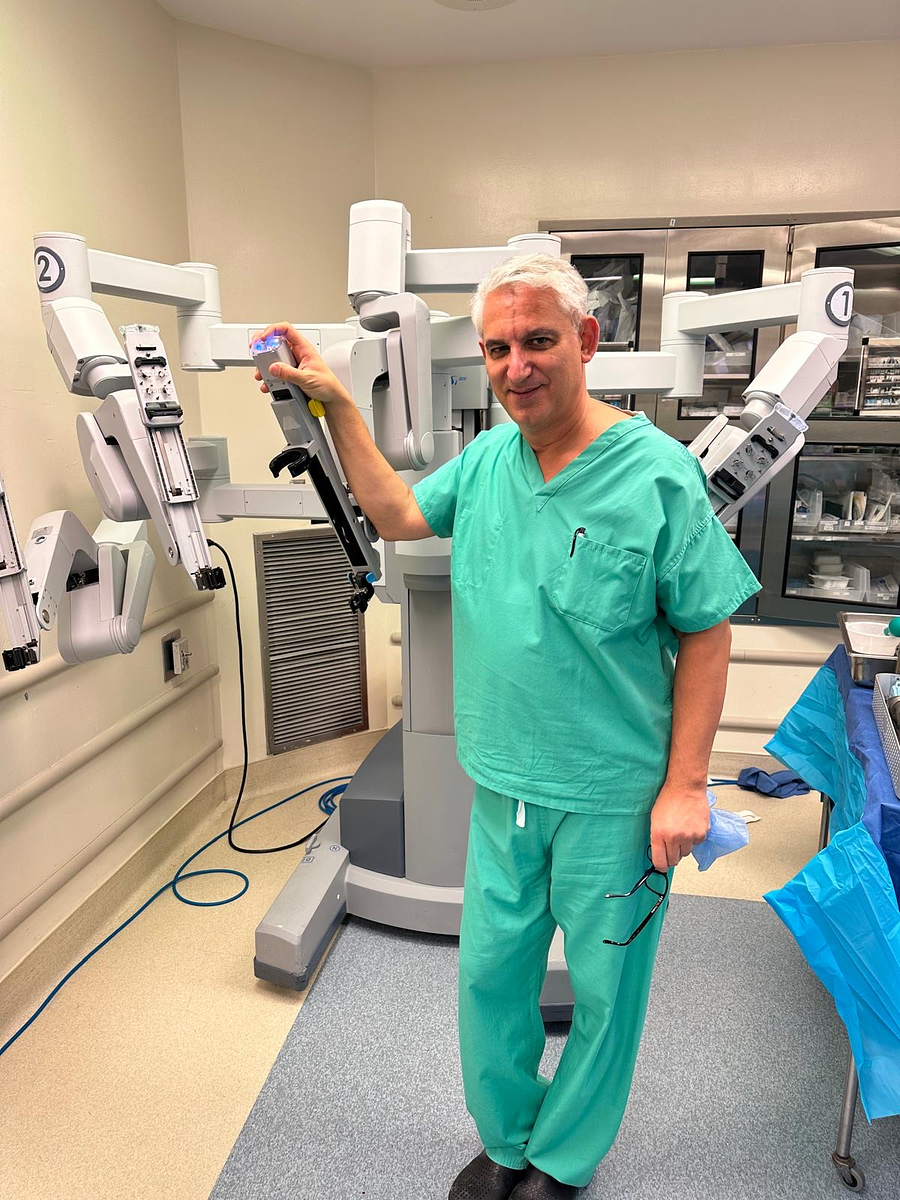
Prostate cancer surgery — including advanced robotic prostate surgery— has been evolving for decades. The foundation of modern prostate surgery was established long ago, but surgeons like Dr. Samadi refined these techniques to prioritize precision, nerve preservation, and long-term quality of life, not just cancer removal.

Common Reasons Men Delay Care (and Why They Shouldn’t)
Dr. Samadi often sees delays caused by:
- Fear of surgery
- Fear of sexual side effects
- Embarrassment discussing symptoms
- Confusion from conflicting online information
The truth: avoiding evaluation doesn’t protect function — it risks losing it.
Frequently Asked Questions
Do prostate cancer symptoms always mean cancer?
No. Many symptoms overlap with benign conditions like BPH or prostatitis. But the only way to know is proper evaluation.
Can you have prostate cancer with a normal PSA?
Yes. PSA is helpful, but not perfect. Symptoms and imaging matter too.
Is waiting a few months really risky?
It can be. Some prostate cancers are slow-growing, others are not. Delay removes options.
Does early detection guarantee no side effects?
Nothing is guaranteed, but earlier-stage cancer gives surgeons more ability to preserve nerves and function.
Should I see a specialist right away?
If symptoms persist or worsen, seeing an experienced prostate cancer specialist can make a meaningful difference.
Why Experience Matters in Prostate Cancer Care
Robotic systems don’t replace surgeon judgment. Outcomes depend on:
- Surgical volume
- Deep anatomical knowledge
- Decision-making during critical moments
- Experience managing complex disease
Dr. Samadi’s reputation is built on decades of refining technique, teaching others, and setting standards in prostate cancer surgery — not marketing claims.
Contact Dr. Samadi
If you’re experiencing prostate-related symptoms — or you’ve been told “let’s just watch it” and still feel uncertain — a consultation can bring clarity.
Website: https://roboticoncology.com
Address: 485 Madison Avenue, 21st Floor, New York, NY 10022
Phone: 212-365-5000
The goal isn’t pressure.
It’s understanding what your symptoms mean — and what your options truly are.
 212-365-5000