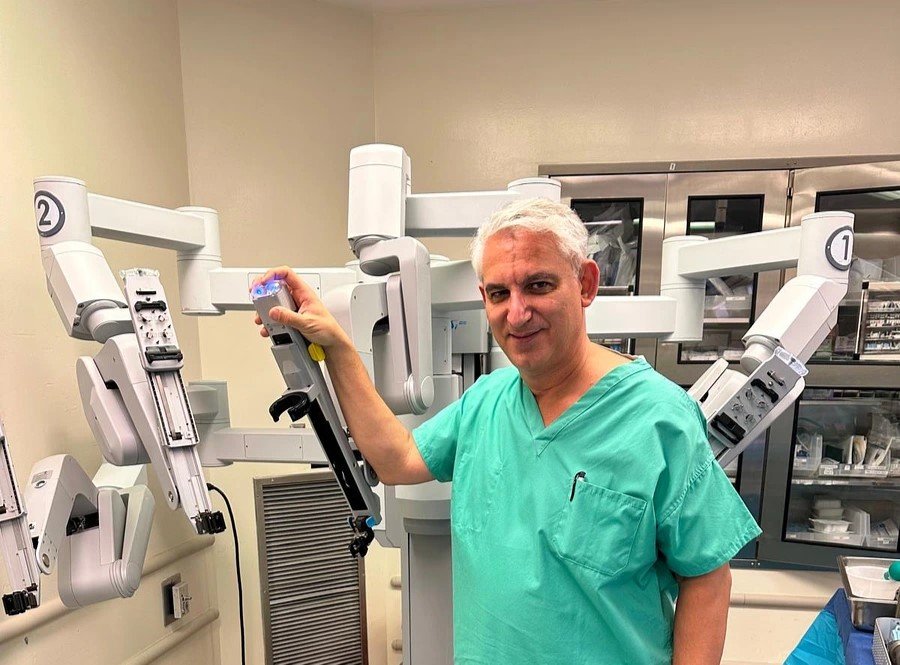
Most patients assume new surgical techniques come from technology.
A better robot.
A new machine.
A software upgrade.
That’s not what happened here.
The SMART procedure — short for Samadi Modified Advanced Robotic Technique — didn’t come from a device.
It came from years of experience in the operating room.
From seeing what works… and what doesn’t.
From watching patients recover — and sometimes struggle.
And from asking a simple but important question:
Can prostate surgery be done in a way that protects life after cancer is treated?
That’s the question Dr. David Samadi set out to answer.
It Started With a Gap in Traditional Surgery
Prostate cancer surgery has been around for decades.
Even early techniques were effective at removing cancer.
That part wasn’t the issue.
The issue was what patients dealt with afterward:
- urinary leakage that lasted months
- erectile dysfunction that didn’t fully recover
- loss of confidence and quality of life
- long, unpredictable recovery timelines
Patients would hear “the surgery was successful.”
But their day-to-day life didn’t always feel that way.
Dr. Samadi saw this pattern repeatedly early in his career.
And instead of accepting it as unavoidable, he started refining how the surgery itself was performed.
The Shift to Robotic Surgery — and Its Limitations
When robotic surgery became more common, it changed the field.
Better visualization.
More precision.
Smaller incisions.
But something became clear quickly:
The robot improved access — but not necessarily outcomes on its own.
Two surgeons could use the same robotic system and still have very different results.
Because the real variable wasn’t the machine.
It was the technique.
That realization became the foundation of the SMART procedure.

Building the SMART Technique, Case by Case
The SMART approach wasn’t developed in a lab.
It was developed over time — surgery by surgery.
Small refinements added up:
- adjusting how the prostate is separated from surrounding tissue
- changing how nerve bundles are approached and preserved
- minimizing traction and unnecessary movement
- preserving urethral length more carefully
- improving reconstruction after removal
None of these changes sound dramatic on their own.
But together, they create a very different surgical experience.
And more importantly, a different recovery experience.
Dr. Samadi didn’t build SMART all at once.
He built it gradually — based on what he saw working in real patients.
Why Experience Was the Key Ingredient
There’s no shortcut to developing a technique like SMART.
It requires repetition.
Thousands of surgeries.
Different anatomies.
Different tumor locations.
Different levels of complexity.
Over time, patterns emerge.
You start to see:
- what leads to faster continence recovery
- what improves nerve preservation
- what causes unnecessary trauma
- what should be avoided entirely
Dr. David Samadi has performed thousands of robotic prostate surgeries, and SMART reflects that accumulated experience.
It’s not theoretical.
It’s built from real outcomes.
The Core Philosophy Behind SMART
At its core, SMART is built on one idea:
Remove the cancer — but protect everything else whenever possible.
That means constantly balancing:
- oncologic safety (removing all cancer)
- functional preservation (protecting nerves and structures)
- long-term quality of life
Every step of the procedure is designed with that balance in mind.
Not just getting through the surgery — but setting up the patient for recovery.
Why Nerve Preservation Became a Central Focus
One of the biggest turning points in developing SMART was understanding how sensitive the surrounding nerves are.
These nerves control erections.
And they are:
- extremely small
- easily irritated
- highly dependent on blood supply
Even minimal trauma can delay recovery.
So the technique evolved to emphasize:
- gentler handling of tissue
- clearer identification of nerve pathways
- avoiding unnecessary traction
- reducing heat exposure
This is why the SMART technique is often associated with improved functional outcomes.
Because nerve preservation isn’t treated as optional.
It’s built into the approach.
Rethinking Reconstruction After Prostate Removal
Another area that shaped SMART was what happens after the prostate is removed.
This is where many patients don’t realize how much technique matters.
The way the urinary tract is reconstructed affects:
- how quickly continence returns
- how stable the bladder is
- overall comfort during recovery
SMART includes refinements in reconstruction that focus on:
- preserving urethral length
- maintaining structural support
- creating a more stable connection
Again, these are small technical details.
But they have a real impact on recovery.
Why the SMART Technique Is Not Easily Replicated
One of the most important things to understand is that SMART is not just a “method.”
It’s a surgical style.
It depends on:
- experience
- precision
- decision-making
- real-time judgment
That’s why it’s closely associated with Dr. Samadi himself.
Because the technique isn’t just about steps.
It’s about how those steps are executed — and adapted — during surgery.
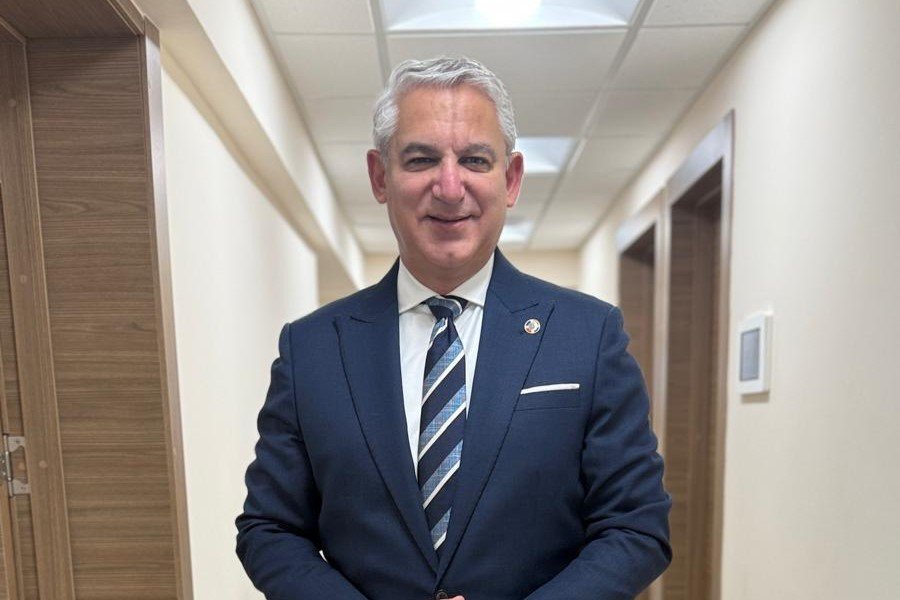
A National Leader in Prostate Cancer Surgery
In addition to developing the SMART technique, Dr. David Samadi is widely recognized as a leader in prostate cancer treatment and men’s health.
He is a world-renowned surgeon and Key Opinion Leader, frequently featured on:
- Fox News
- Newsmax
His work has helped shape how patients understand modern prostate cancer surgery — especially the importance of preserving quality of life.
This level of visibility reflects not just expertise, but trust within the field.
Why SMART Continues to Evolve
Even though the SMART technique is well established, it’s not static.
It continues to evolve.
Because surgery is not something that gets “perfected” once.
Each patient presents a new situation.
New challenges.
New decisions.
Dr. Samadi continues refining his approach based on ongoing experience.
That’s part of what makes SMART different.
It’s not locked in place.
It’s built to improve over time.
Why Patients Specifically Seek Out the SMART Technique
Patients who research prostate surgery deeply often come to the same conclusion:
the surgeon matters more than the robot
That’s why many choose Dr. Samadi.
Not just for robotic surgery — but for how that surgery is performed.
They’re looking for:
- experience
- refined technique
- focus on functional outcomes
- a track record of results
SMART represents all of those things in one approach.
Frequently Asked Questions
What does SMART stand for?
SMART stands for Samadi Modified Advanced Robotic Technique, a specialized approach to robotic prostate surgery.
Is SMART a new or experimental procedure?
No. It is built on decades of surgical experience and refinement in robotic prostatectomy.
How was the SMART technique developed?
It was developed over time through thousands of surgeries, with continuous adjustments based on patient outcomes.
Does SMART improve recovery?
It is designed to reduce surgical trauma and improve functional recovery, particularly continence and erectile function.
Is SMART available everywhere?
No. It is specific to Dr. Samadi’s surgical approach and experience.
Contact Dr. David Samadi
If you’re exploring prostate cancer treatment and want to understand how surgical technique can impact your outcome, a consultation is the best place to start.
Dr. David Samadi
Website: https://roboticoncology.com
Address: 485 Madison Avenue, 21st Floor, New York, NY 10022
Phone Number: 212-365-5000
During your visit, your case will be reviewed in detail, and you’ll get a clear understanding of whether the SMART technique is the right approach — not just for treating cancer, but for protecting your quality of life afterward.
 212-365-5000