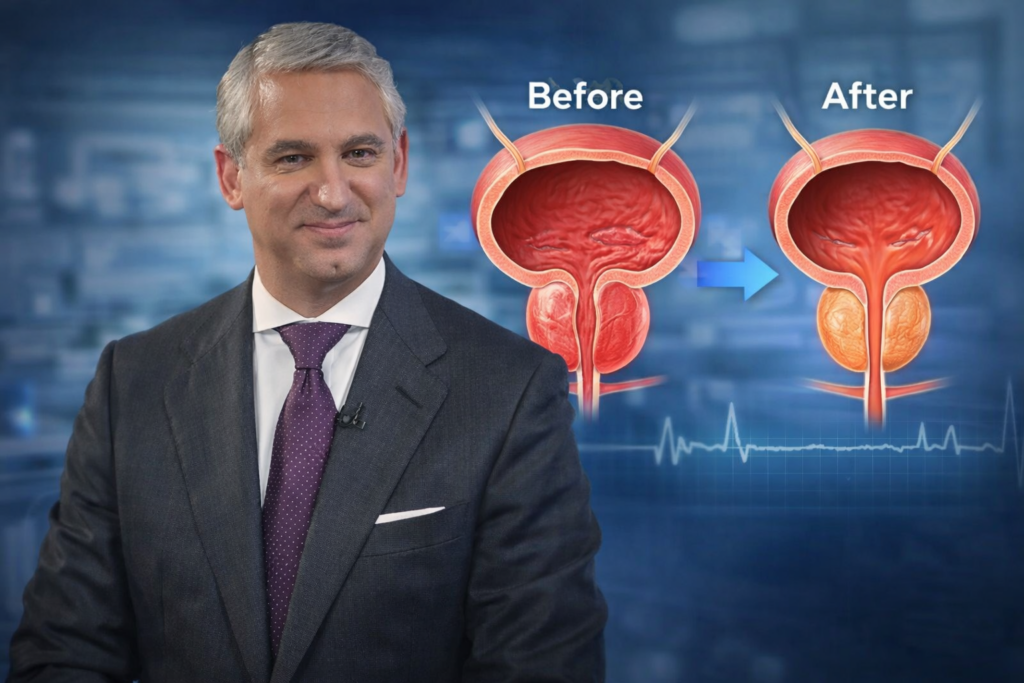
When most men hear “prostate cancer surgery,” they think about one thing:
getting the cancer out
And yes — that’s the priority.
But if you talk to patients a few weeks or months after surgery, the conversation shifts quickly.
Now it’s about:
Will I regain bladder control?
Will sexual function come back?
How long is recovery really going to take?
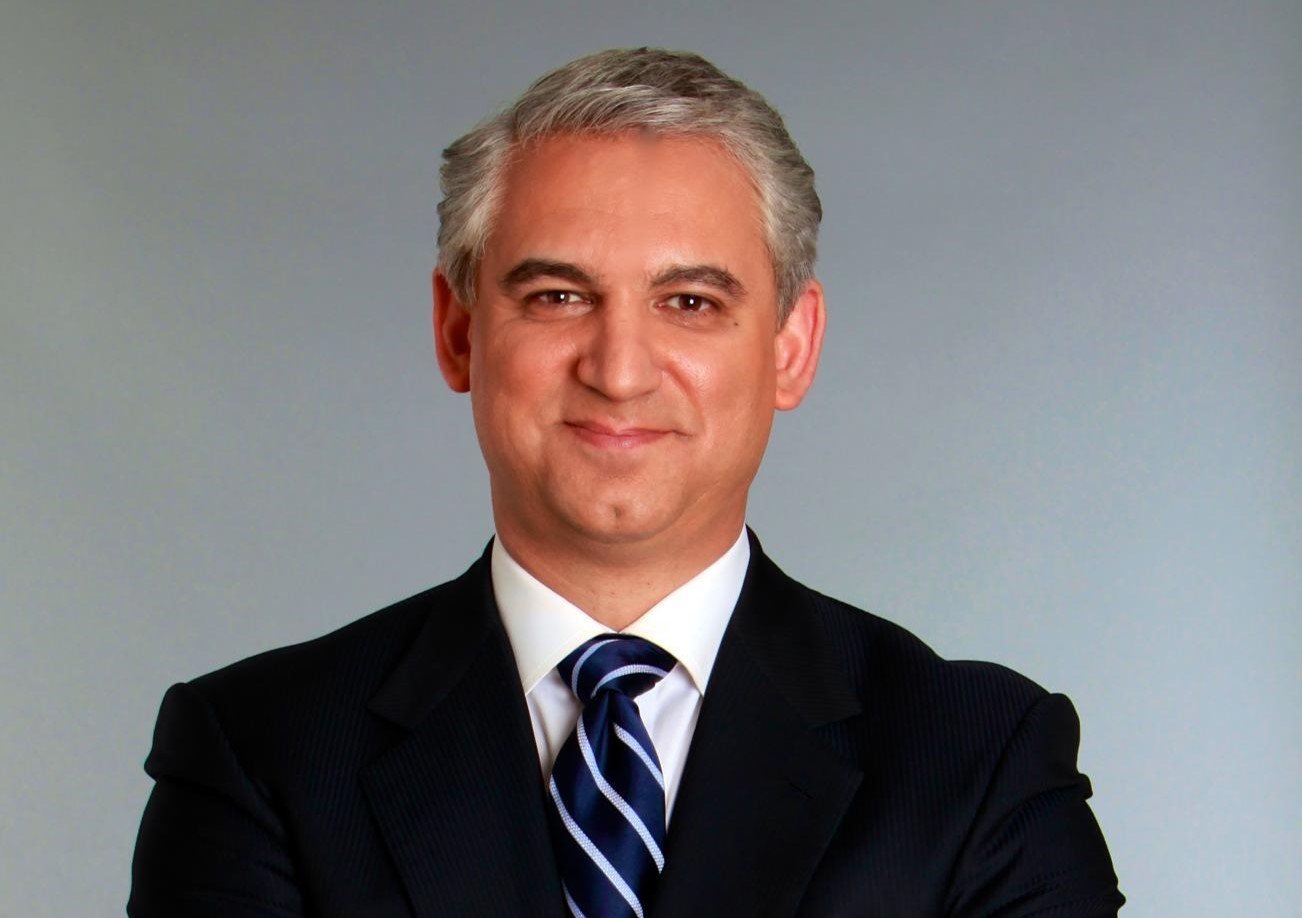
This is exactly where Dr. David Samadi has built his reputation — not just removing cancer, but actively working to reduce the side effects that follow surgery.
That focus is what led to the development of the SMART procedure (Samadi Modified Advanced Robotic Technique).
Because in prostate surgery, what happens after matters just as much as what happens during.
Why Side Effects Happen in the First Place
To understand how SMART helps, you have to understand the problem.
The prostate sits in a very tight, delicate space.
Right next to it:
- nerves responsible for erections
- muscles that control urinary continence
- supporting structures that stabilize the bladder
During surgery, the prostate must be removed without damaging these surrounding systems.
Even in standard robotic surgery, small amounts of:
- traction
- heat
- pressure
- disruption
can affect these structures.
That’s why side effects like urinary leakage or changes in erectile function can happen.
Not because something “went wrong” — but because the anatomy is incredibly sensitive.
What Makes the SMART Procedure Different
The SMART procedure wasn’t created to change what is removed.
It was created to change how it’s removed.
Dr. Samadi refined this technique over years of performing robotic prostate surgeries, focusing on one goal:
minimize unnecessary disruption to surrounding anatomy
That sounds simple.
But in practice, it changes everything.
SMART focuses on:
- extremely precise dissection
- minimizing traction on nerve bundles
- preserving key anatomical structures
- careful, controlled removal of the prostate
- meticulous reconstruction afterward
These are not features of the robot.
They are choices made by the surgeon — moment by moment.

Nerve Preservation: The Biggest Factor in Sexual Function
One of the most important parts of the SMART technique is how it approaches nerve preservation.
The nerves responsible for erections are:
- microscopic
- fragile
- easily irritated
Even slight trauma can temporarily affect function.
The SMART approach emphasizes:
- identifying nerve pathways clearly
- avoiding unnecessary manipulation
- preserving surrounding blood supply
- minimizing heat exposure during dissection
This is why many patients seek out Dr. Samadi specifically.
Because nerve preservation is not just about avoiding damage.
It’s about actively protecting function whenever it is safe to do so.
Preserving Continence Starts With Surgical Technique
Urinary control is another area where technique makes a major difference.
During prostate removal, the urethra is cut and then reconnected.
How that reconstruction is performed matters.
The SMART procedure focuses on:
- preserving as much urethral length as possible
- protecting the supporting muscles around the bladder
- minimizing disruption to the continence mechanism
- precise reconnection of the urinary tract
These details may seem small.
But they directly impact how quickly patients regain bladder control.
Less Trauma = Smoother Recovery
One of the core ideas behind SMART is simple:
the less unnecessary trauma, the better the recovery
This includes reducing:
- tissue stretching
- inflammation
- bleeding
- nerve irritation
Patients often experience:
- earlier return of urinary control
- gradual recovery of sexual function
- less overall disruption to daily life
- Recovery is still a process.
But the foundation set during surgery plays a major role in how that process unfolds.
Why Experience Is What Makes SMART Work
It’s important to be clear about something.
The SMART procedure is not just a checklist.
It’s not something that can be copied overnight.
It’s the result of years of surgical experience and refinement.
Dr. David Samadi has performed thousands of robotic prostate surgeries, developing this technique through repeated real-world application.
That experience allows him to:
- adapt to different patient anatomy
- make real-time decisions during surgery
- balance cancer removal with function preservation
- refine technique case by case
This is why two surgeons using the same robot can have very different outcomes.
The difference is not the technology.
It’s the experience behind it.
This Isn’t a Trade-Off Between Cancer and Quality of Life
One of the biggest misconceptions patients have is that they have to choose:
Either remove the cancer completely
Or preserve function
That’s not how modern prostate surgery works.
The SMART procedure is designed to do both — when medically appropriate.
Cancer control always comes first.
But when conditions allow, Dr. Samadi’s technique focuses heavily on protecting:
- erectile function
- urinary continence
- long-term quality of life
That balance is what defines advanced prostate surgery today.
Why Patients Seek Out Dr. Samadi Specifically
Patients from across the country — and internationally — often choose Dr. David Samadi for one reason:
They want the best possible outcome, not just a successful surgery.
His reputation is built on:
- extensive experience in robotic prostatectomy
- development of the SMART technique
- focus on functional recovery
- personalized surgical approach
He is also widely recognized as a world-renowned prostate cancer surgeon and Key Opinion Leader, frequently featured on:
- Fox News
- Newsmax
That level of recognition reflects both surgical expertise and leadership in the field.
And it’s one of the reasons patients are willing to travel for his care.
Why the SMART Procedure Is Considered a Leading Approach
The reason SMART stands out is not branding.
It’s focus.
Most surgical techniques aim to remove cancer effectively.
SMART goes further by focusing equally on:
- how tissue is handled
- how nerves are protected
- how reconstruction is performed
- how recovery is set up from day one
That’s what makes it one of the most refined approaches in robotic prostate surgery today.
Frequently Asked Questions
Does the SMART procedure eliminate all side effects?
No. Every surgery carries risks. However, SMART is designed to reduce the likelihood and severity of common side effects.
Is nerve preservation always possible?
Not always. It depends on cancer location and aggressiveness. Safety always comes first.
How soon do patients recover urinary control?
Many patients see early improvement within weeks, with continued progress over several months.
Does SMART improve erectile function recovery?
It improves the chances by focusing heavily on nerve preservation, but recovery varies by patient.
Is this procedure widely available?
The SMART technique is specific to Dr. Samadi’s surgical approach and experience.
Contact Dr. David Samadi
If you are exploring prostate cancer surgery and want to understand how surgical technique can impact side effects and recovery, a consultation can provide clarity.
Dr. David Samadi
Website: https://roboticoncology.com
Address: 485 Madison Avenue, 21st Floor, New York, NY 10022
Phone Number: 212-365-5000
During your consultation, your case will be reviewed in detail, and you’ll receive clear guidance on whether the SMART procedure is the right approach for you — with a focus not just on treatment, but on long-term quality of life.
 212-365-5000